Archaeological Debris,
2020–present
Multiple medium.
Bodies of Work: Sprouting Seeds; Ancient Echoes; Plastic Flints
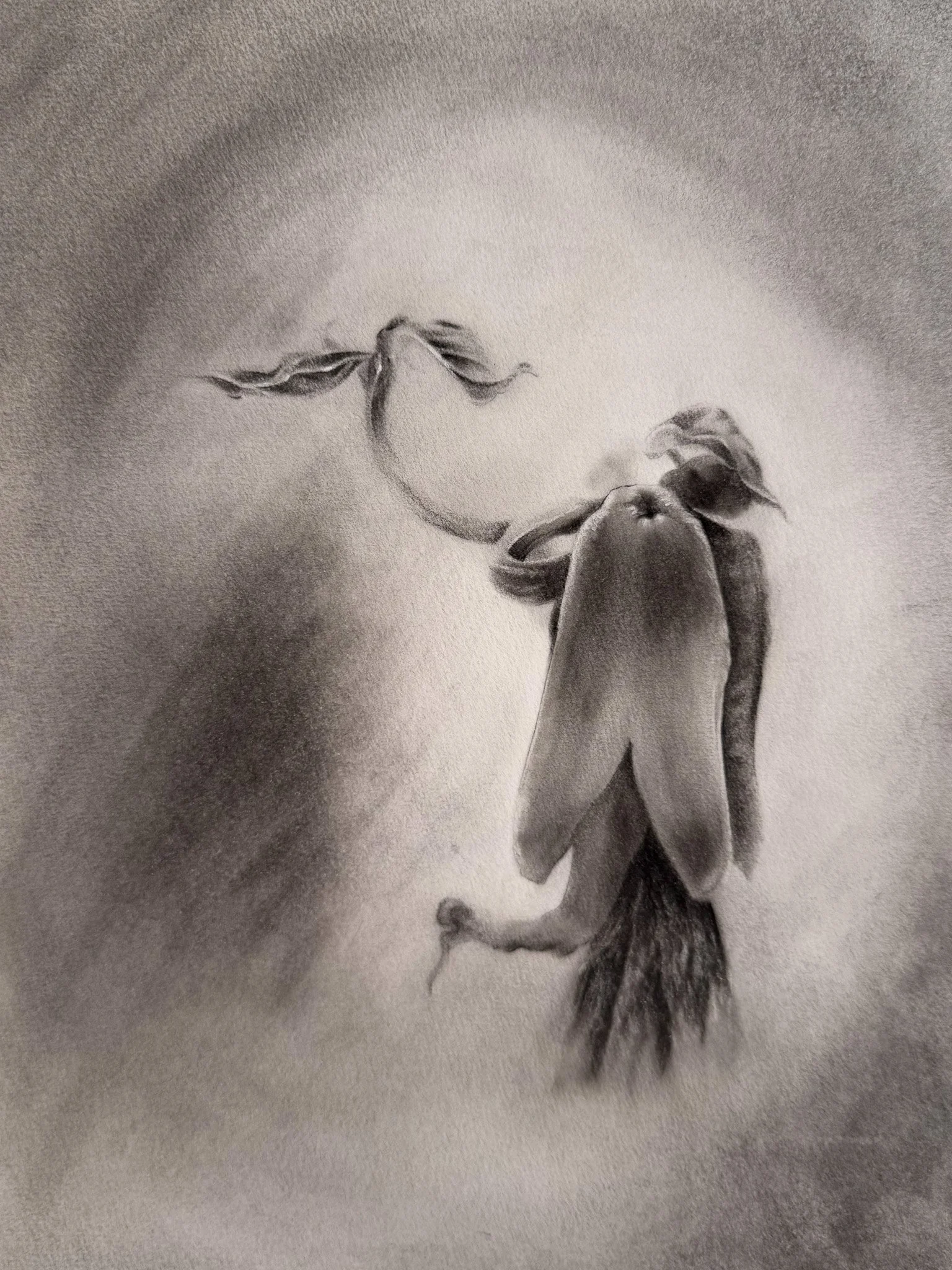
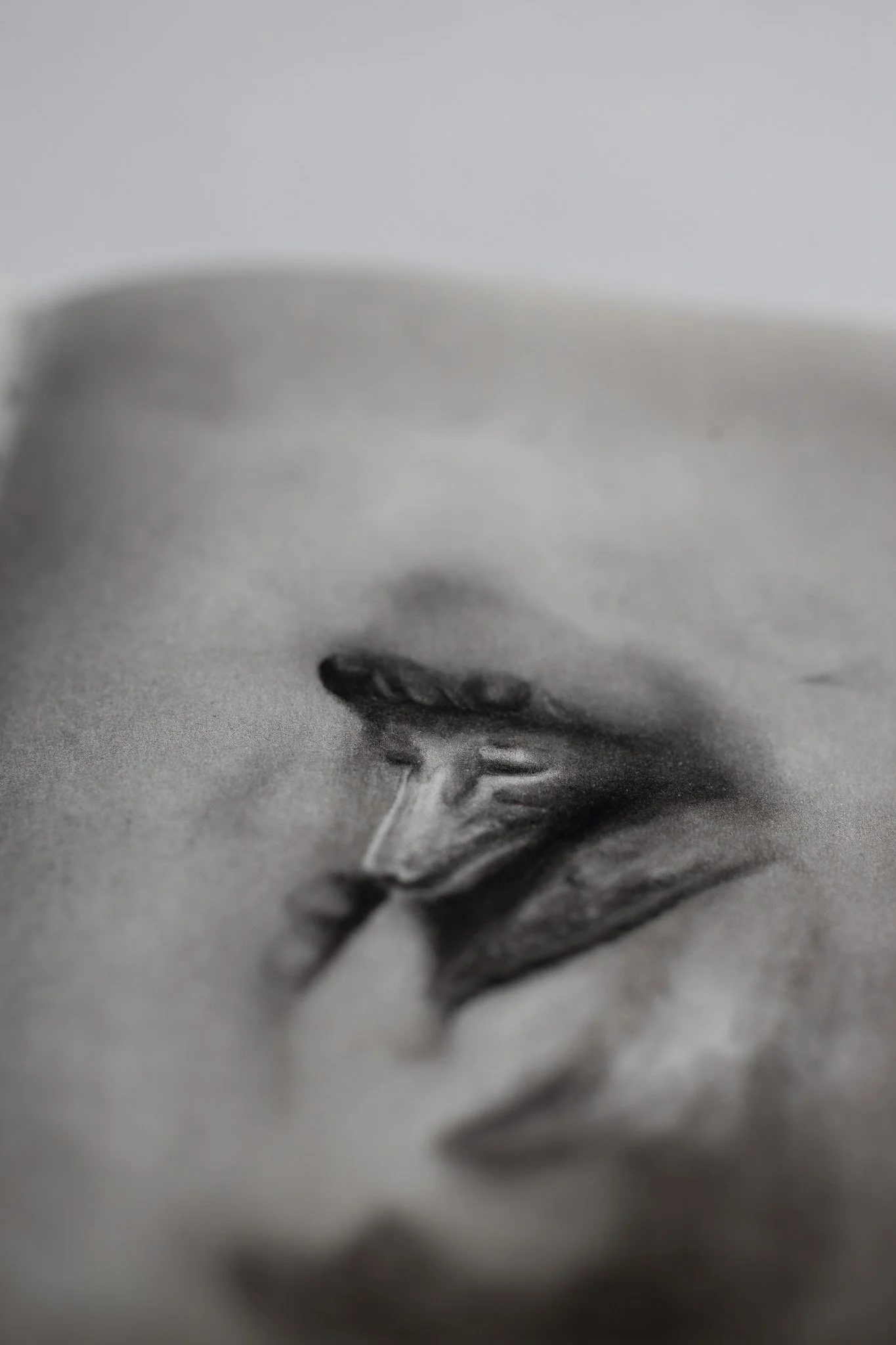
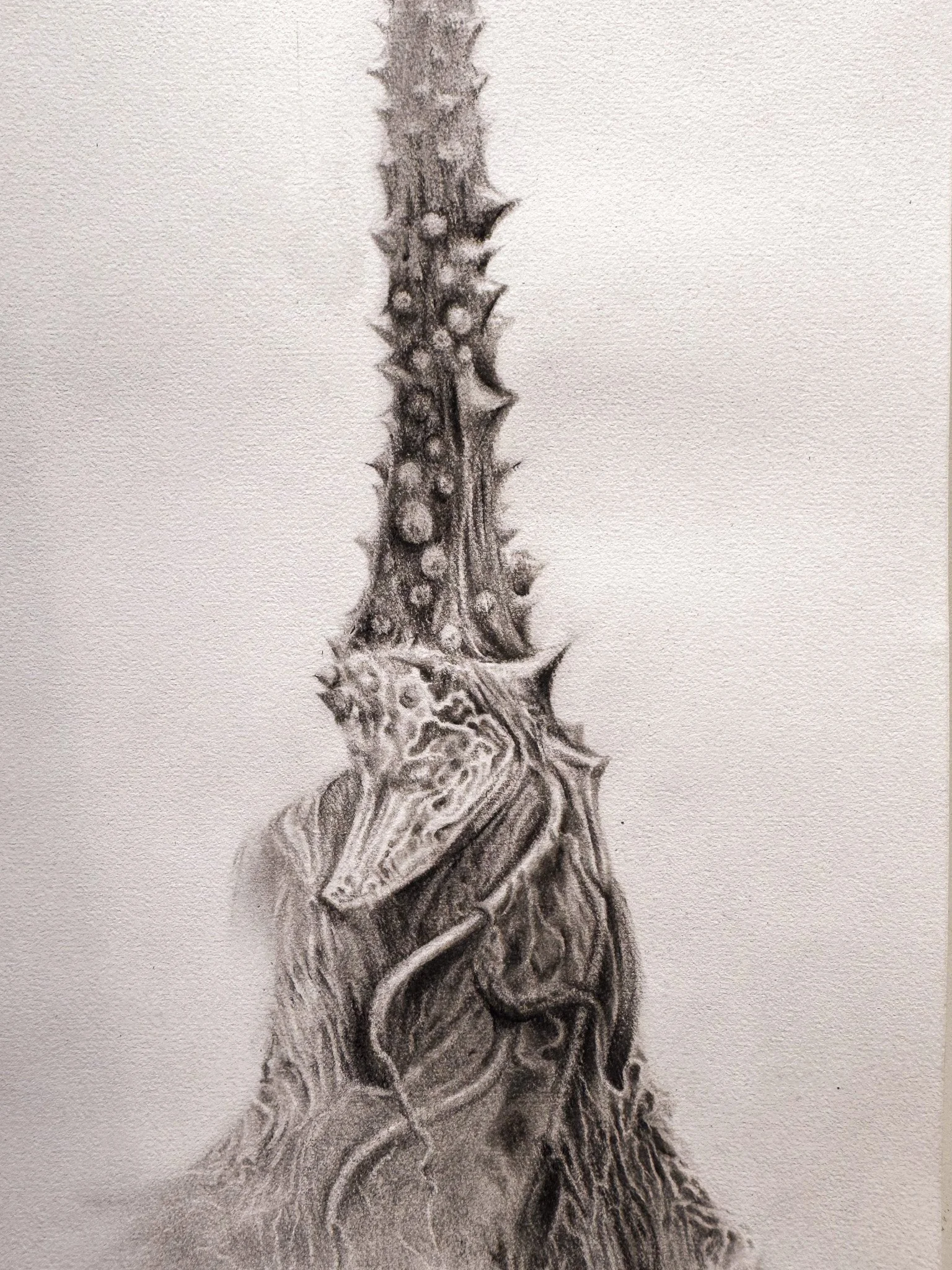
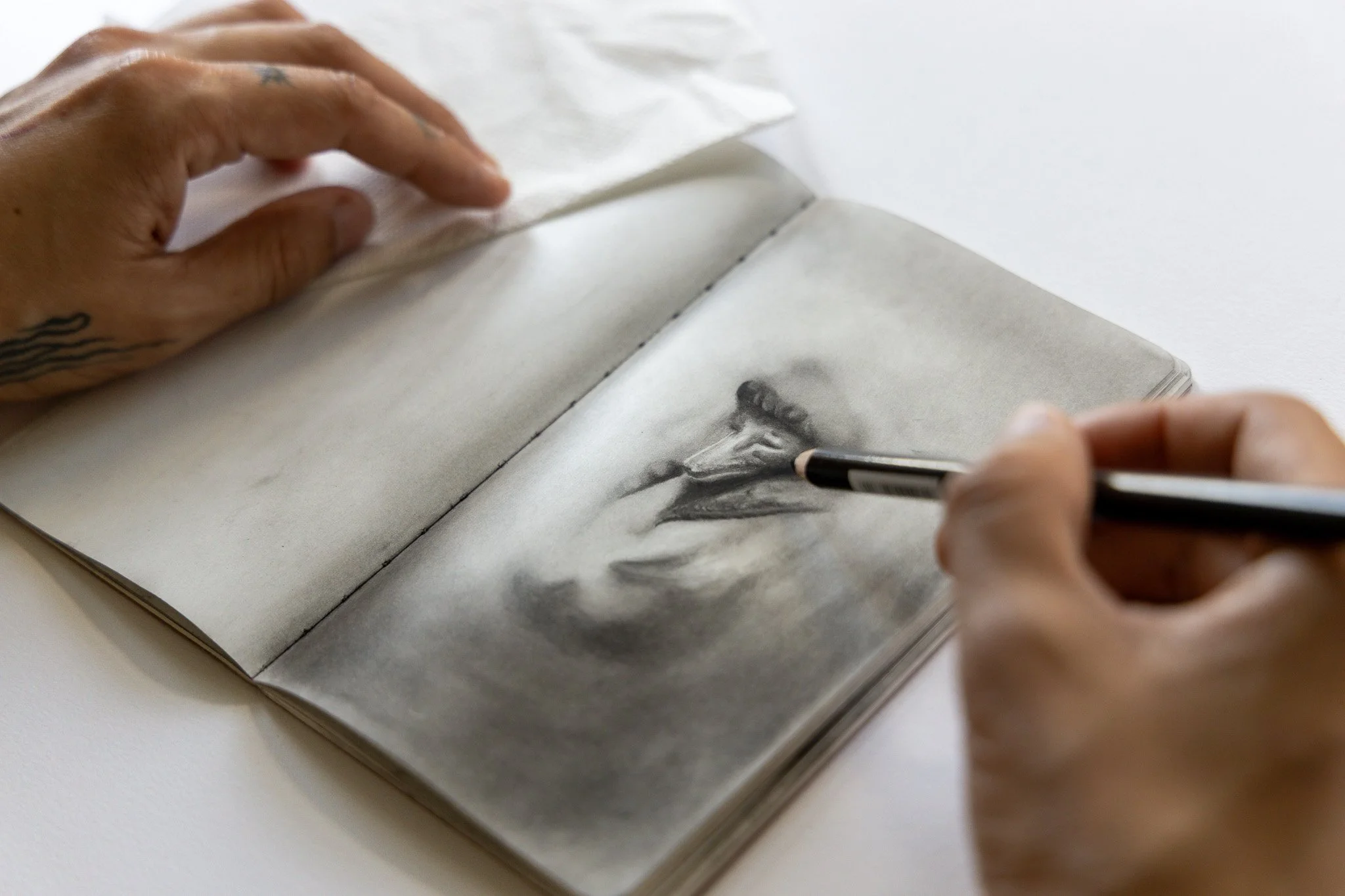
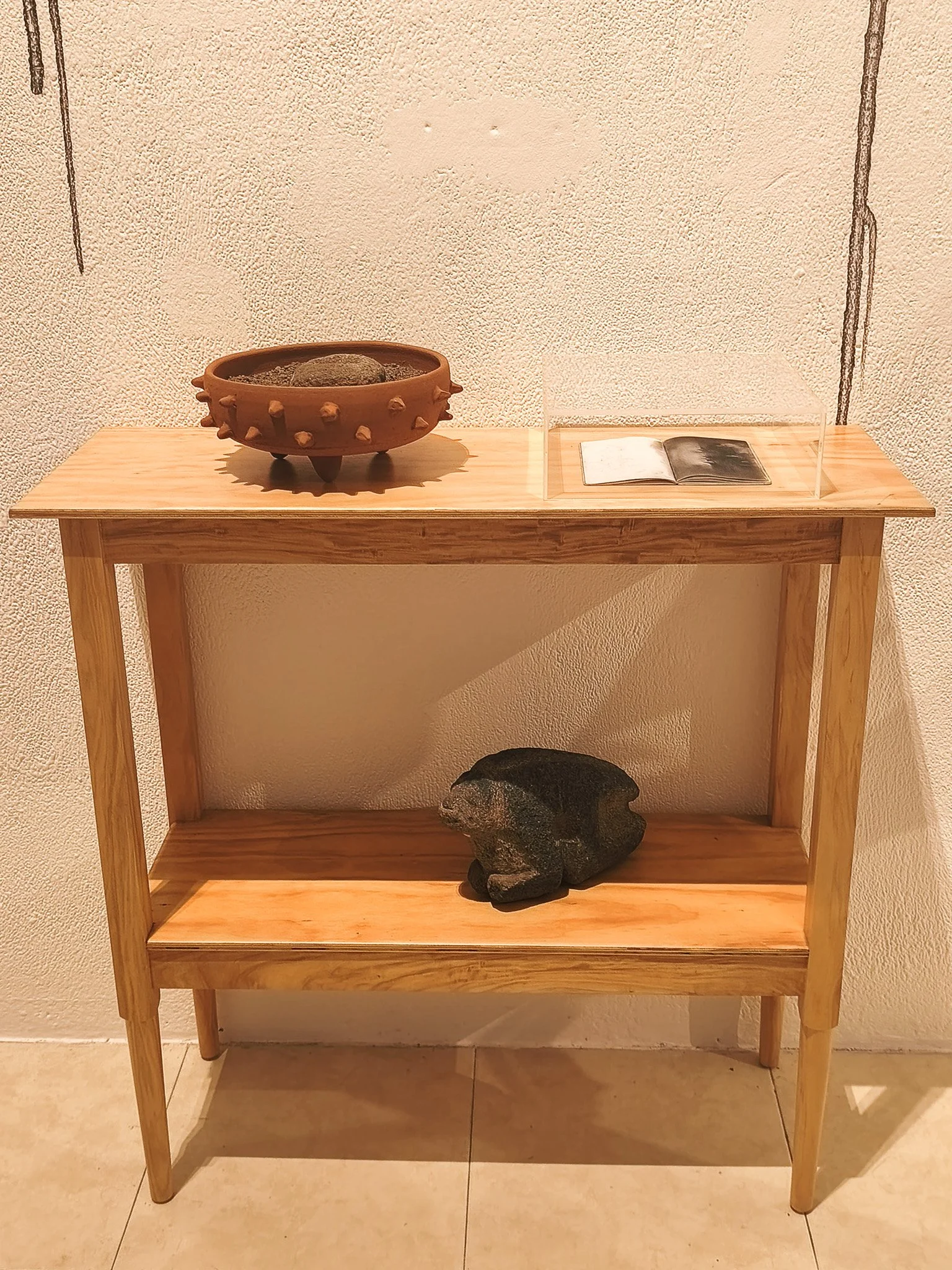
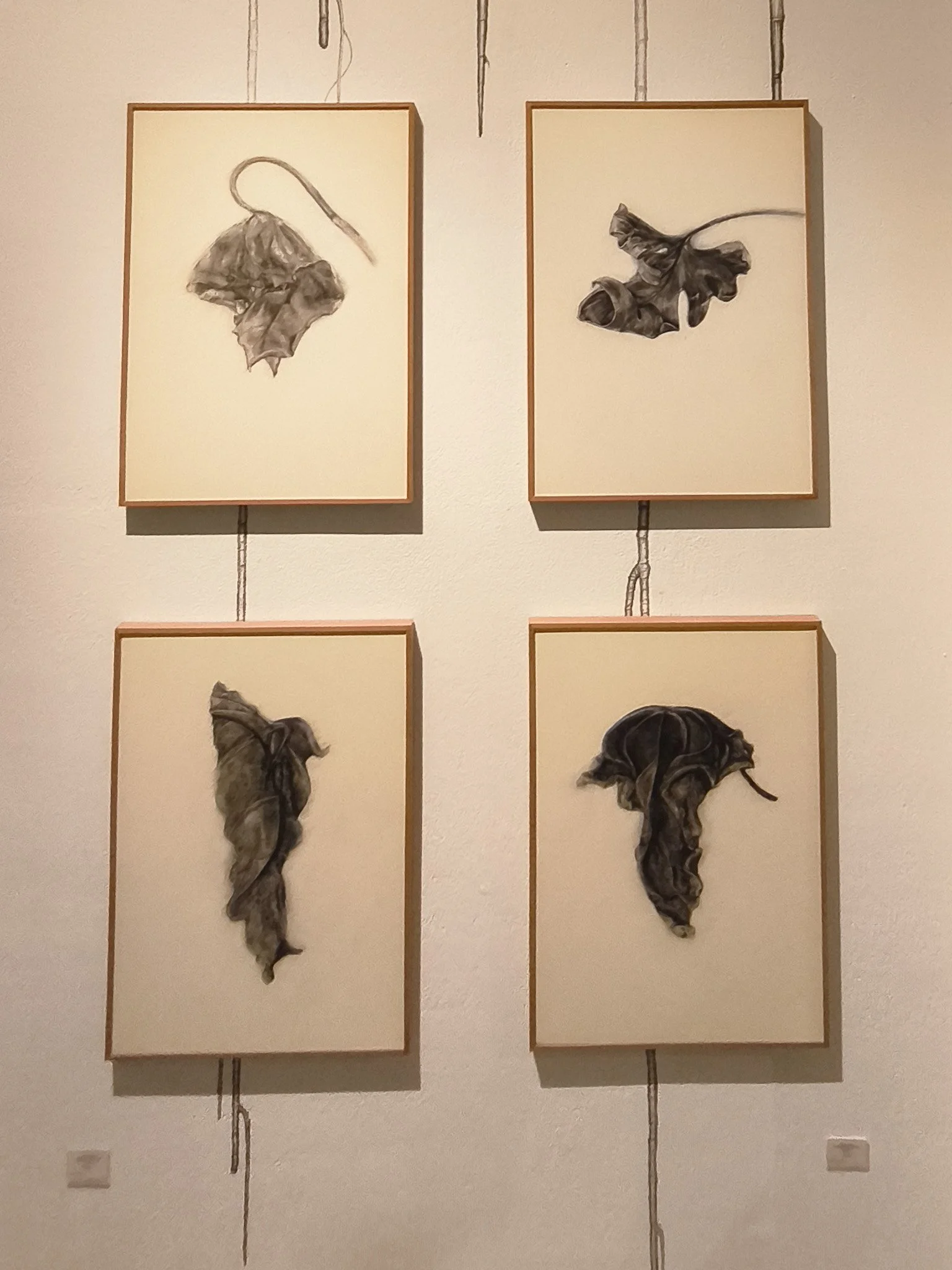
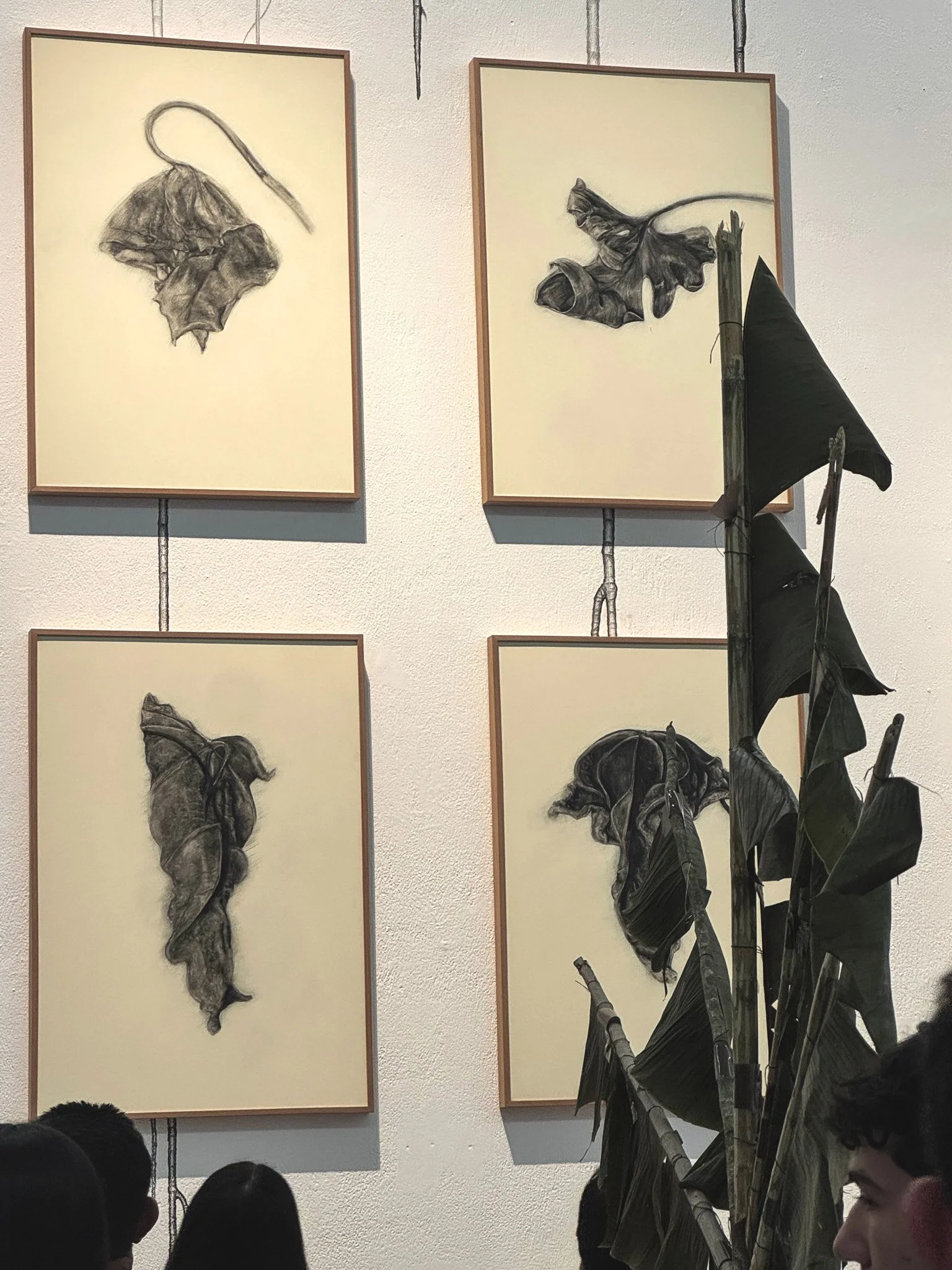
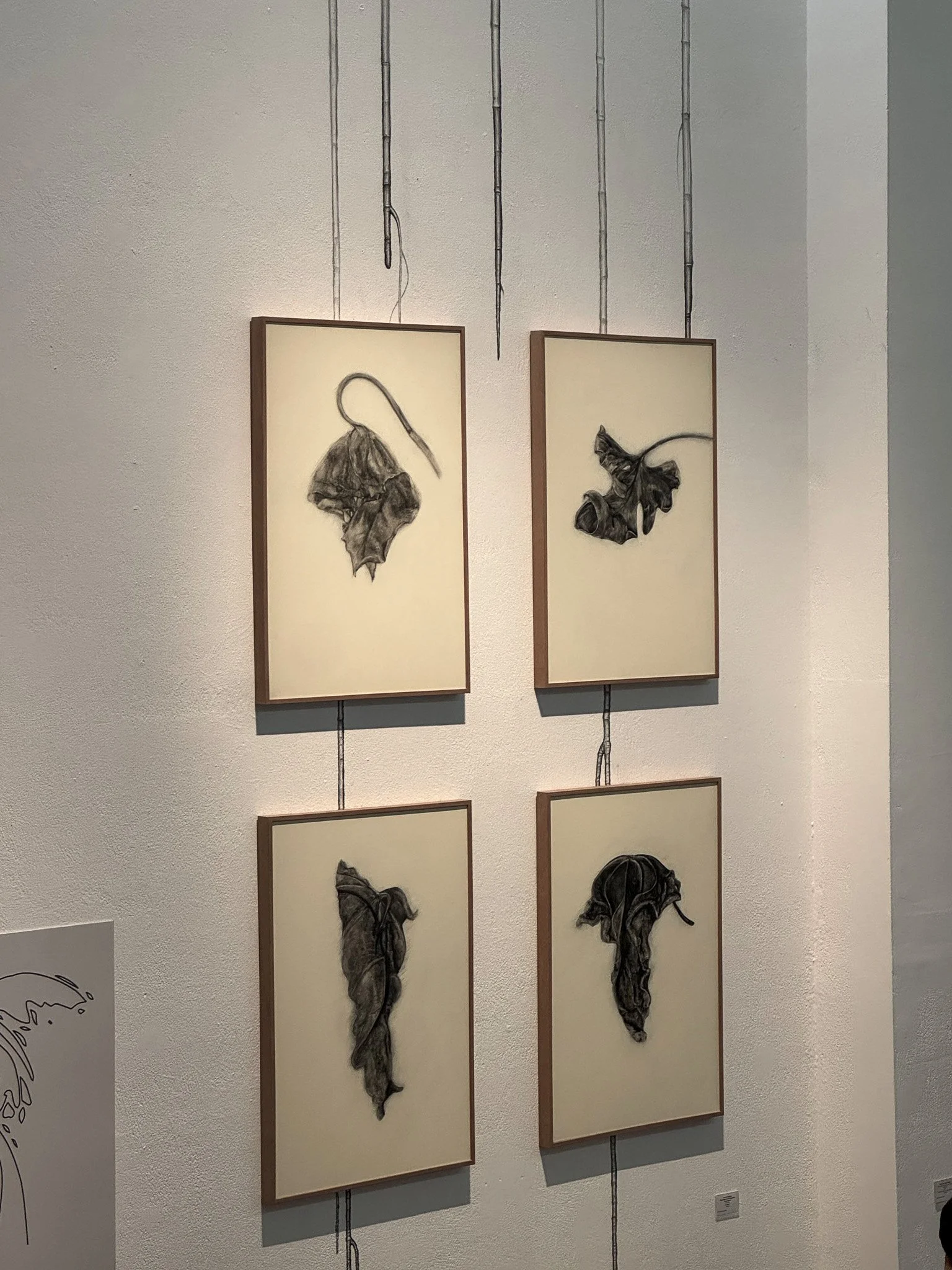
Archaeological Debris is an ongoing body of work examining how ancestral objects, materials, and cultural knowledge survive after their original contexts have been fragmented or lost. The project began in 2020 through my experience of displacement and an attempt to reconnect with ancestral histories through archaeological fragments, tropical plants, drawing, and material experimentation. Rather than reconstructing an authentic pre-colonial past, I use the fragment as a starting point for creating new forms that exist between archaeological evidence, personal memory, biological life, and contemporary technology.
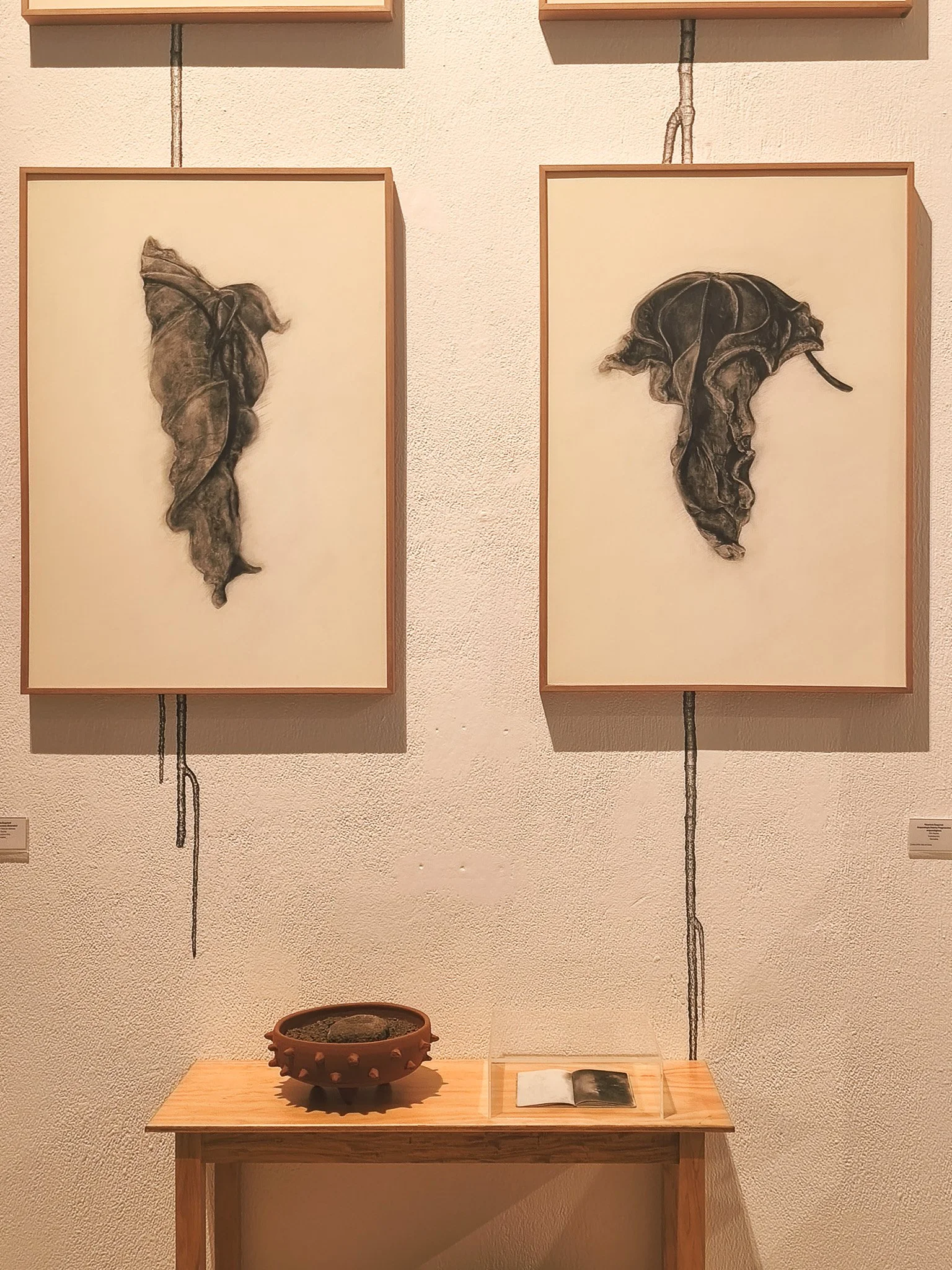
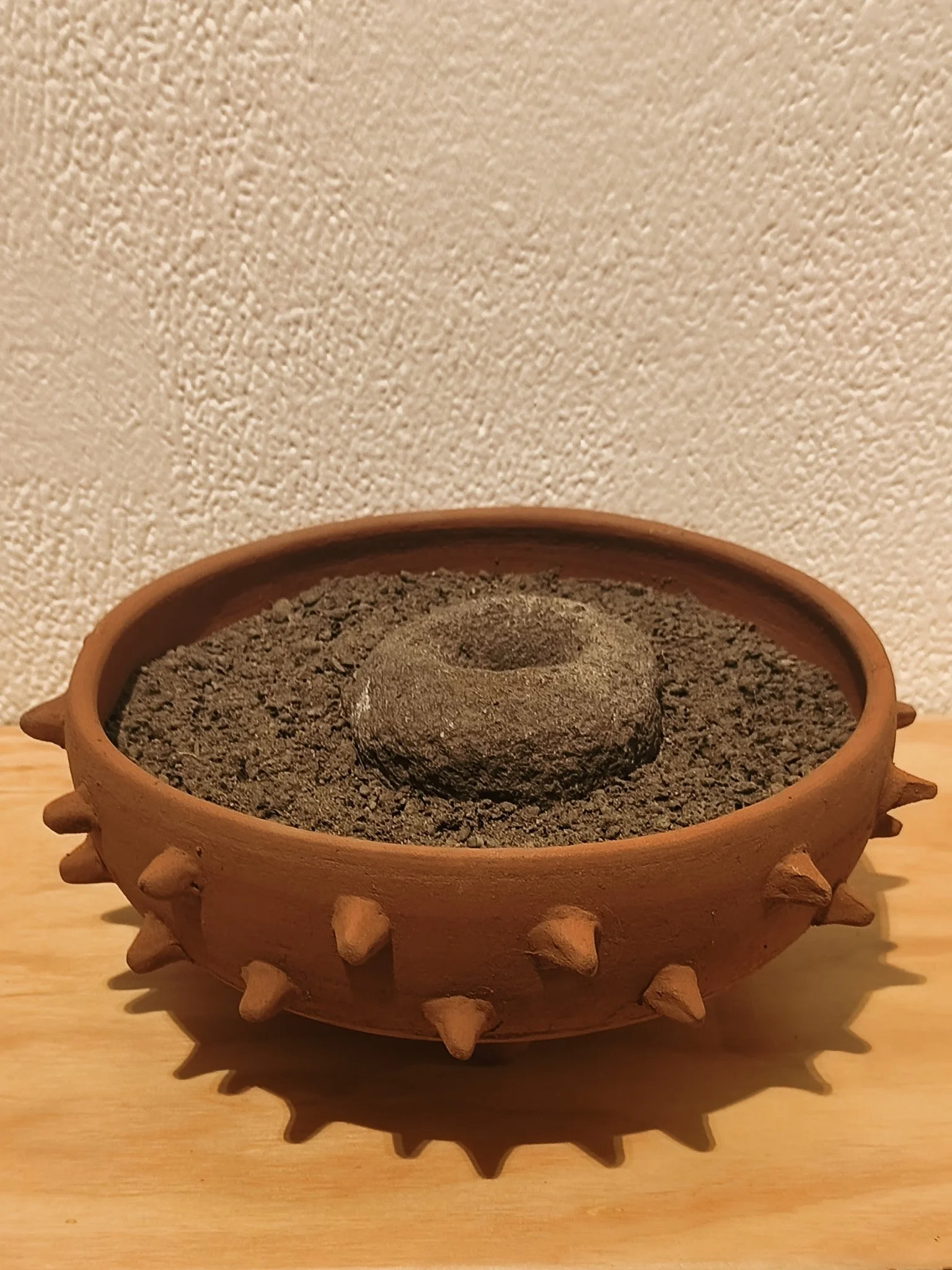
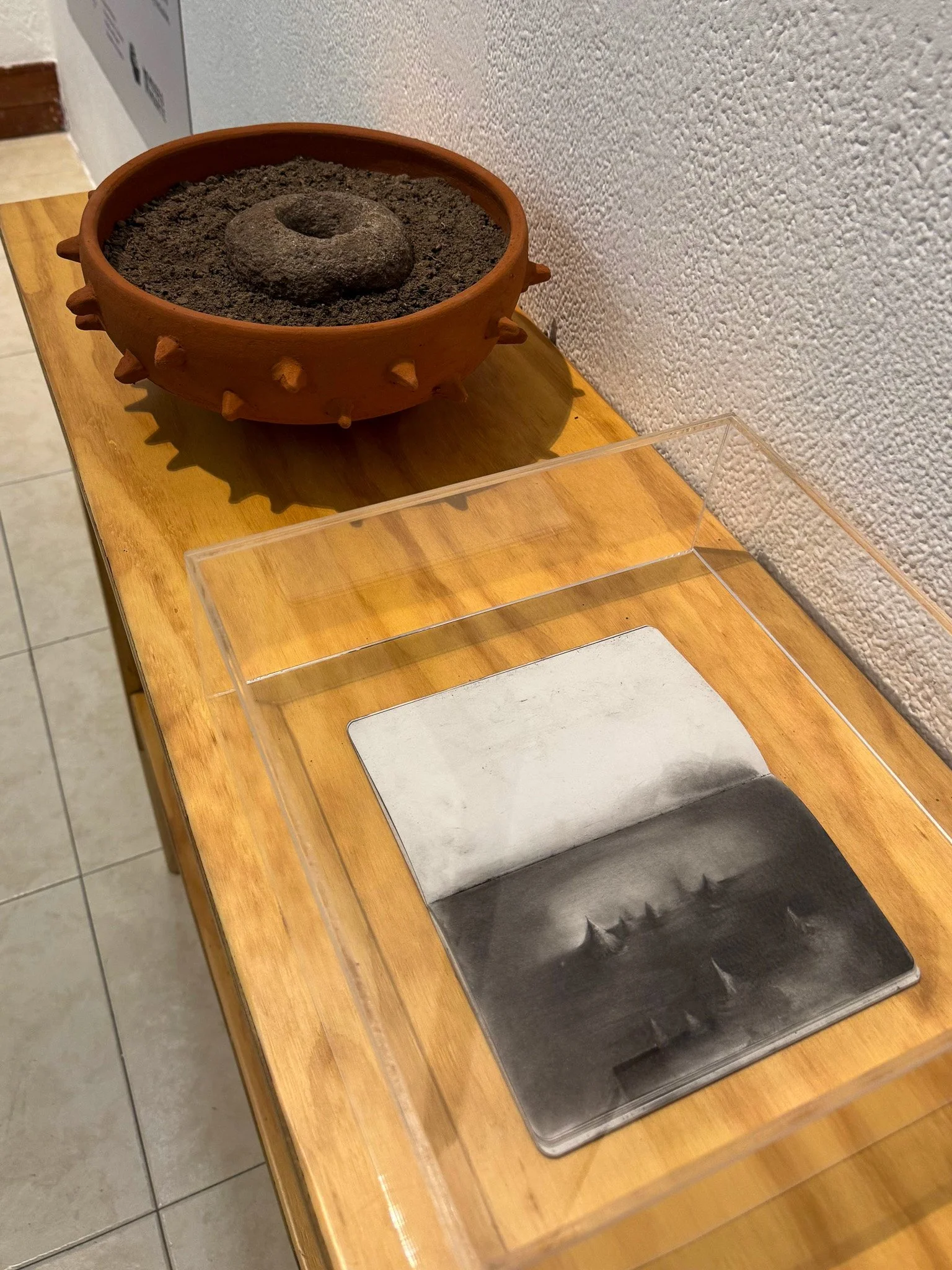
Sprouting Seeds combines charcoal drawings of tropical plants and archaeological forms with experiments in growing roots inside molds taken from ancient ceramic objects. The resulting sculptures use soil and living roots to inhabit ancestral forms, allowing them to grow, transform, deteriorate, or die in the present.
Ancient Echoes works with basalt artifacts, tools, and ceramics by reactivating their use today. Rather than approaching these objects solely as archaeological remains, I explore their capacity to act again—as tools, instruments, and carriers of memory. Through their physical reactivation, the objects connect my body to the people who once made and used them, allowing fragments of the past to acquire a voice in the present.
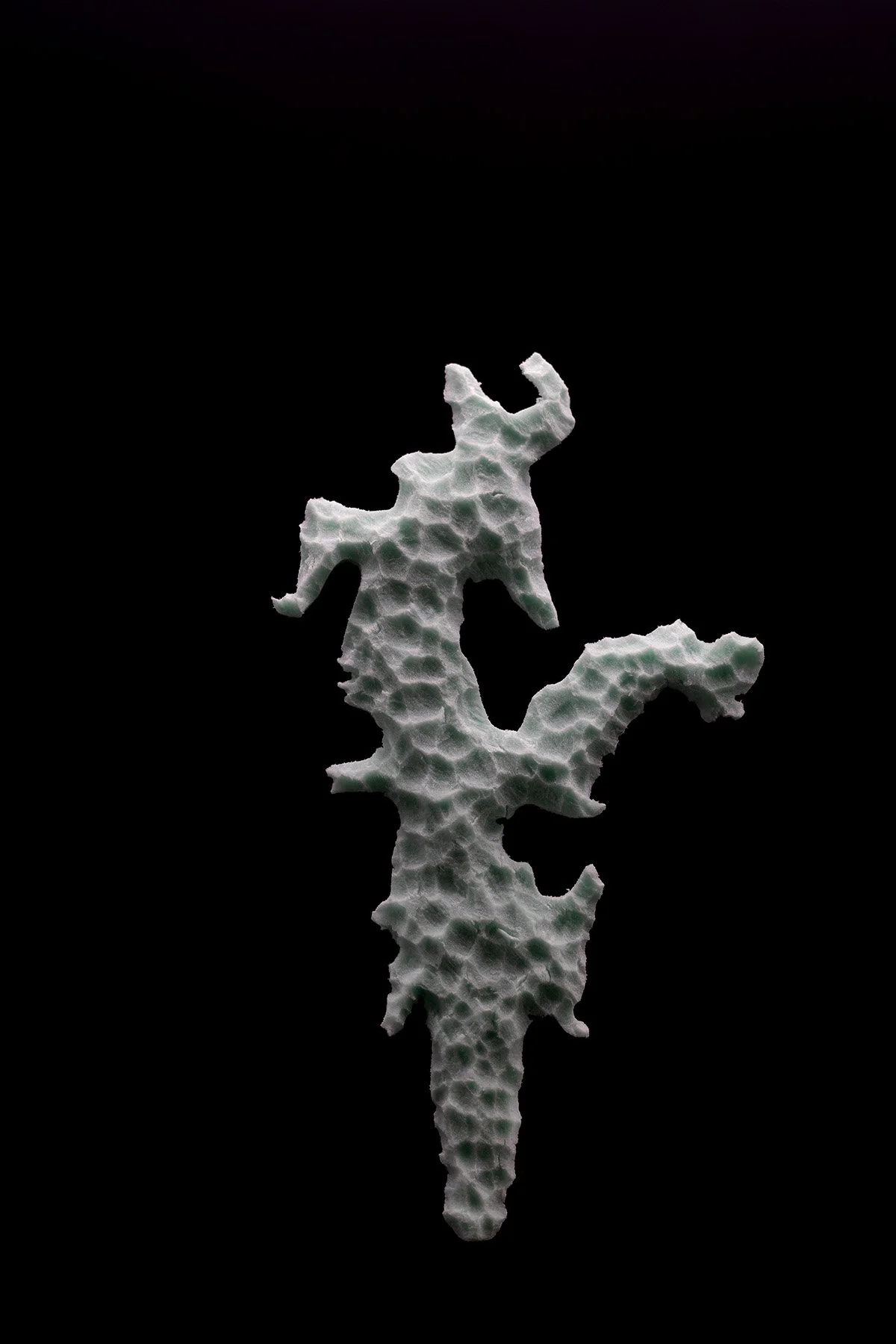
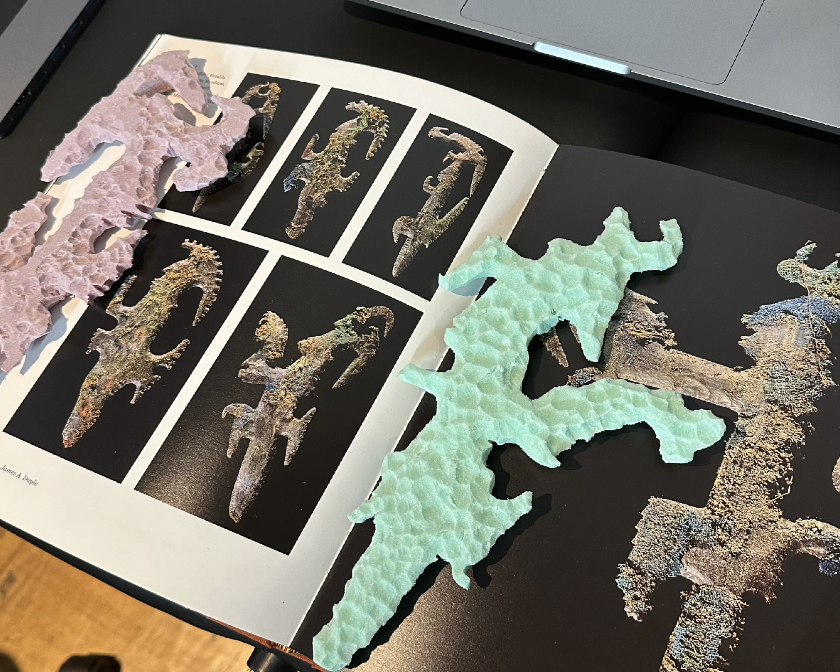
Plastic Flints examines archaeological fragments through contemporary technologies and materials. Pre-Columbian ceramics are translated into digital information through 3D scanning and rendering, while incomplete forms can undergo speculative digital reconstruction, including AI-generated interpretations of what is absent. Rather than treating these reconstructions as archaeological truth, I use the distance between the surviving fragment and its technological interpretation to examine how contemporary systems attempt to fill gaps in historical knowledge.
The work also considers what our own civilization will leave behind archaeologically. Using synthetic materials such as recycled expanded polystyrene, I contrast the ceramics, stone, and obsidian that survive from ancient societies with the persistent plastic debris of contemporary life. These synthetic forms become a kind of contemporary archaeological residue, reflecting a culture increasingly defined by disposability.
Together, these bodies of work approach archaeology not as a means of recovering a complete past, but as a way of examining what survives, what disappears, and what we create in response to absence. Archaeological Debris continues to expand through drawing, sculpture, living materials, digital processes, and installations.
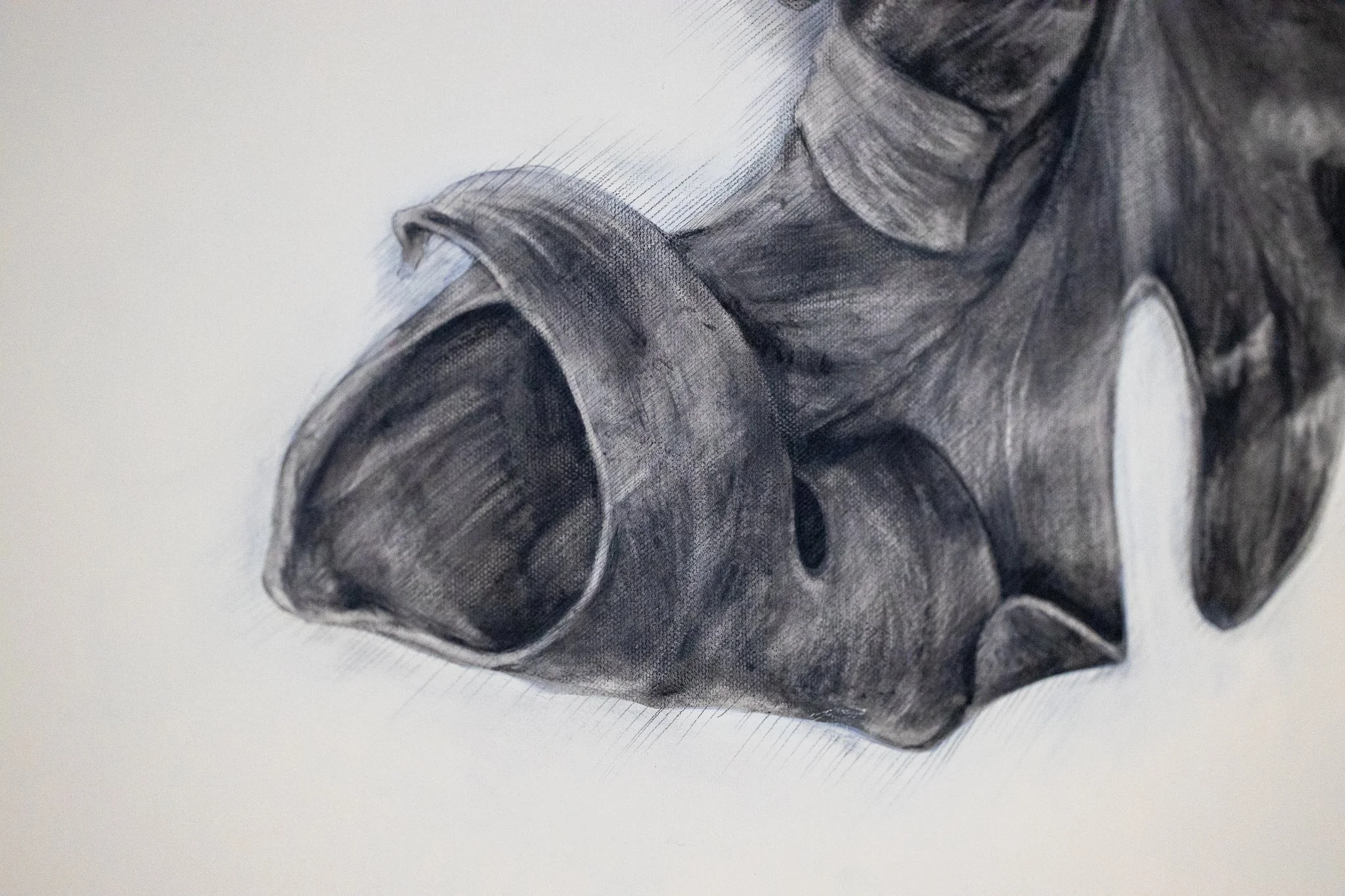
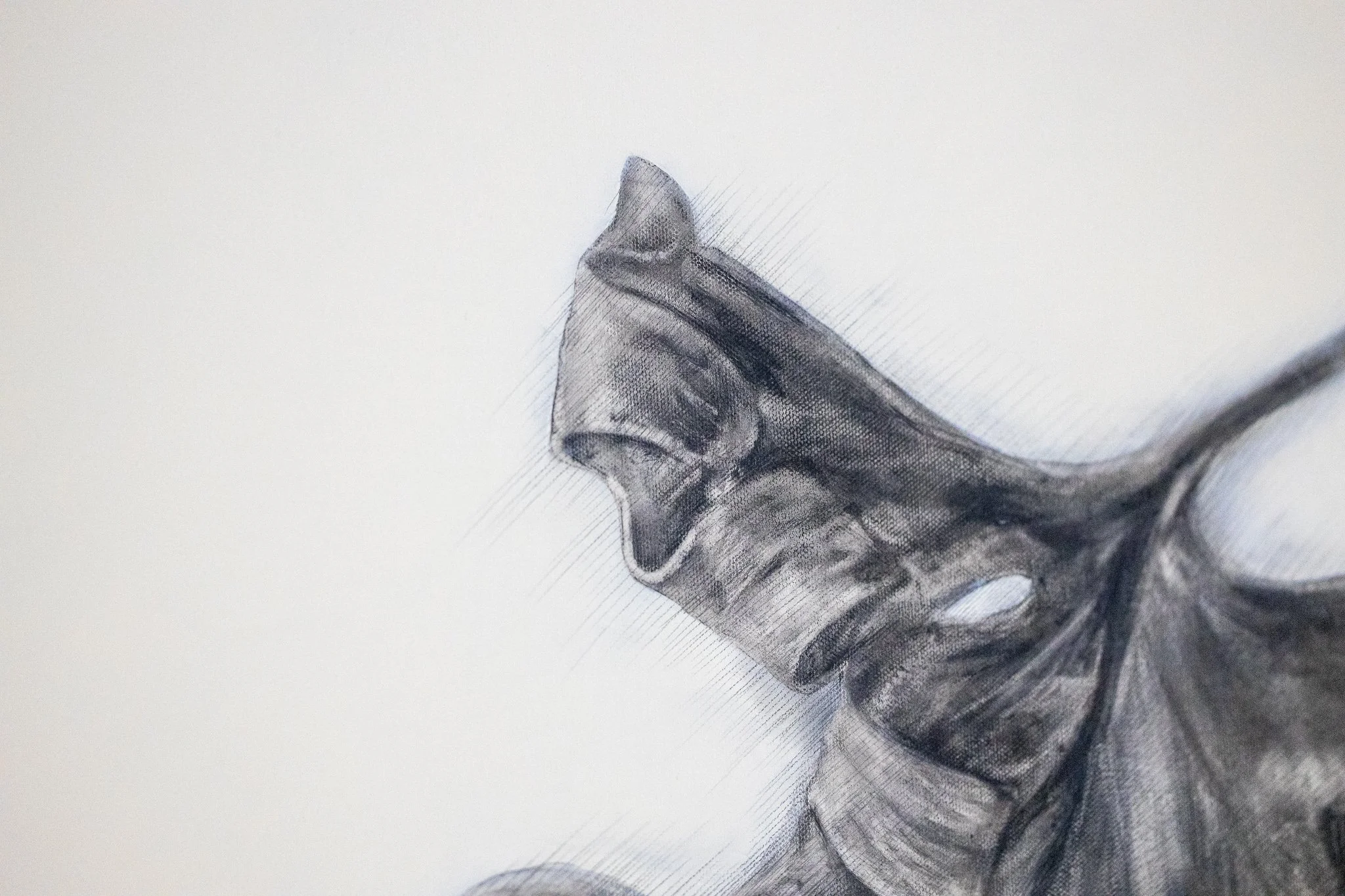
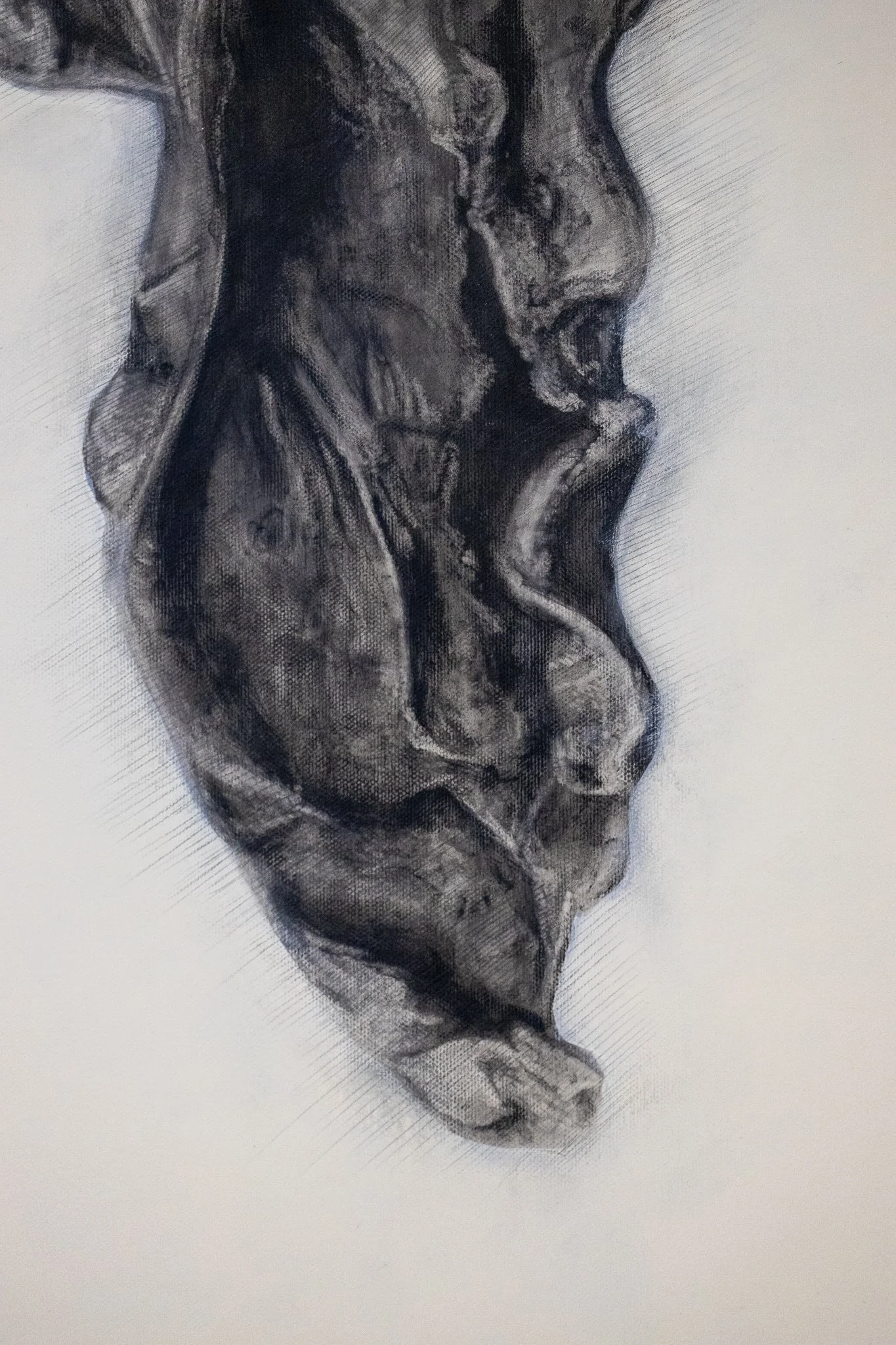
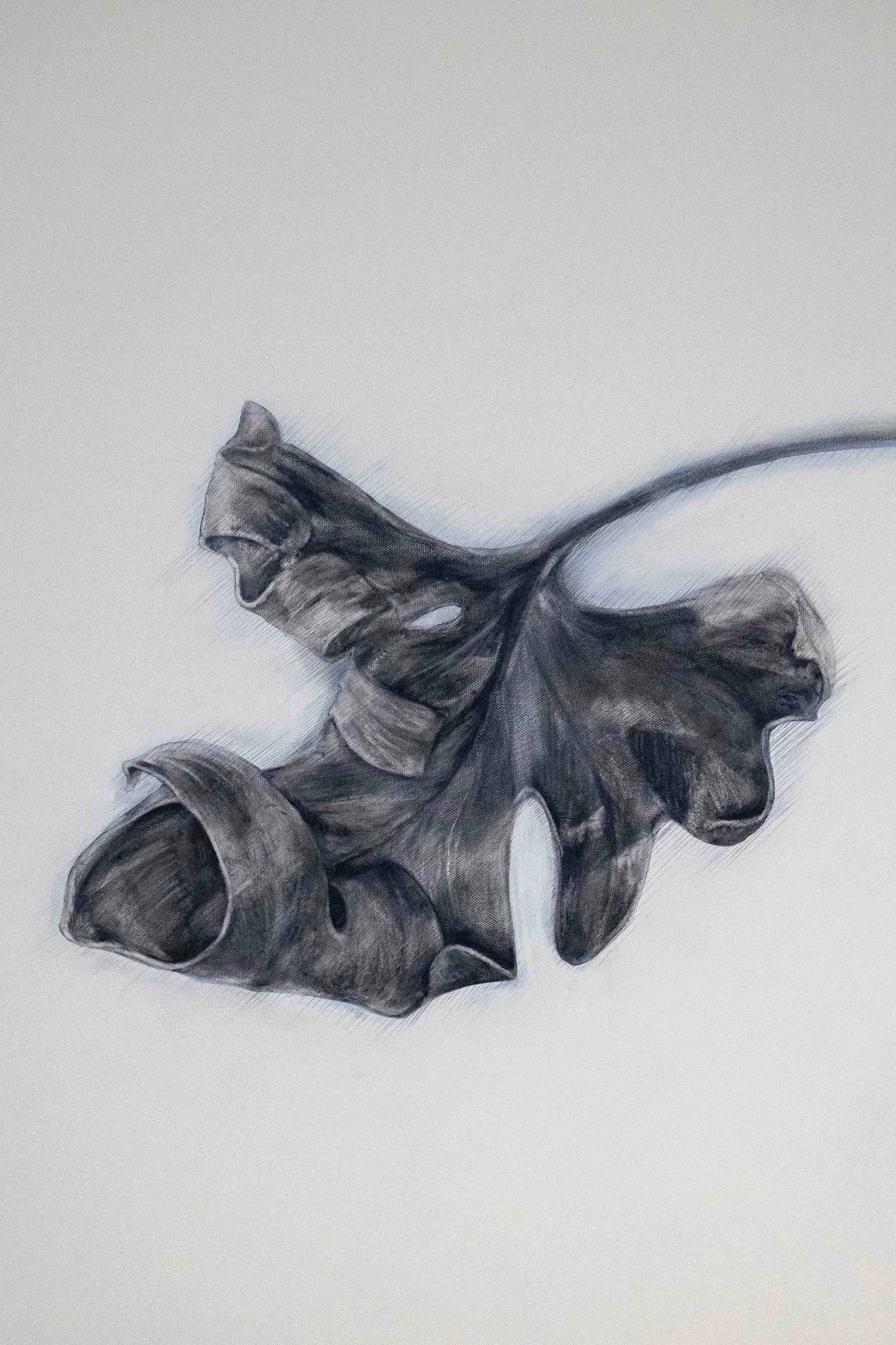
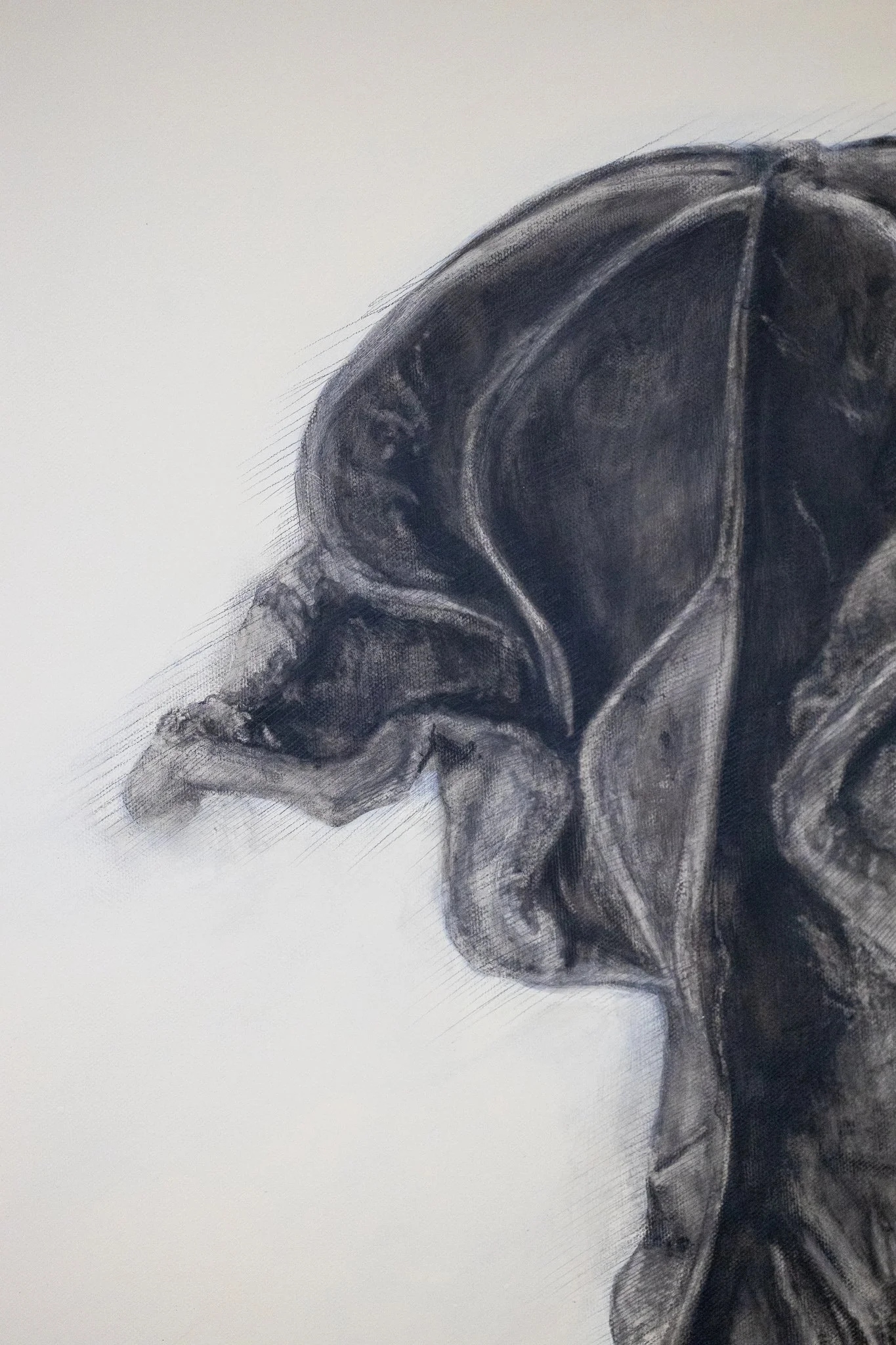
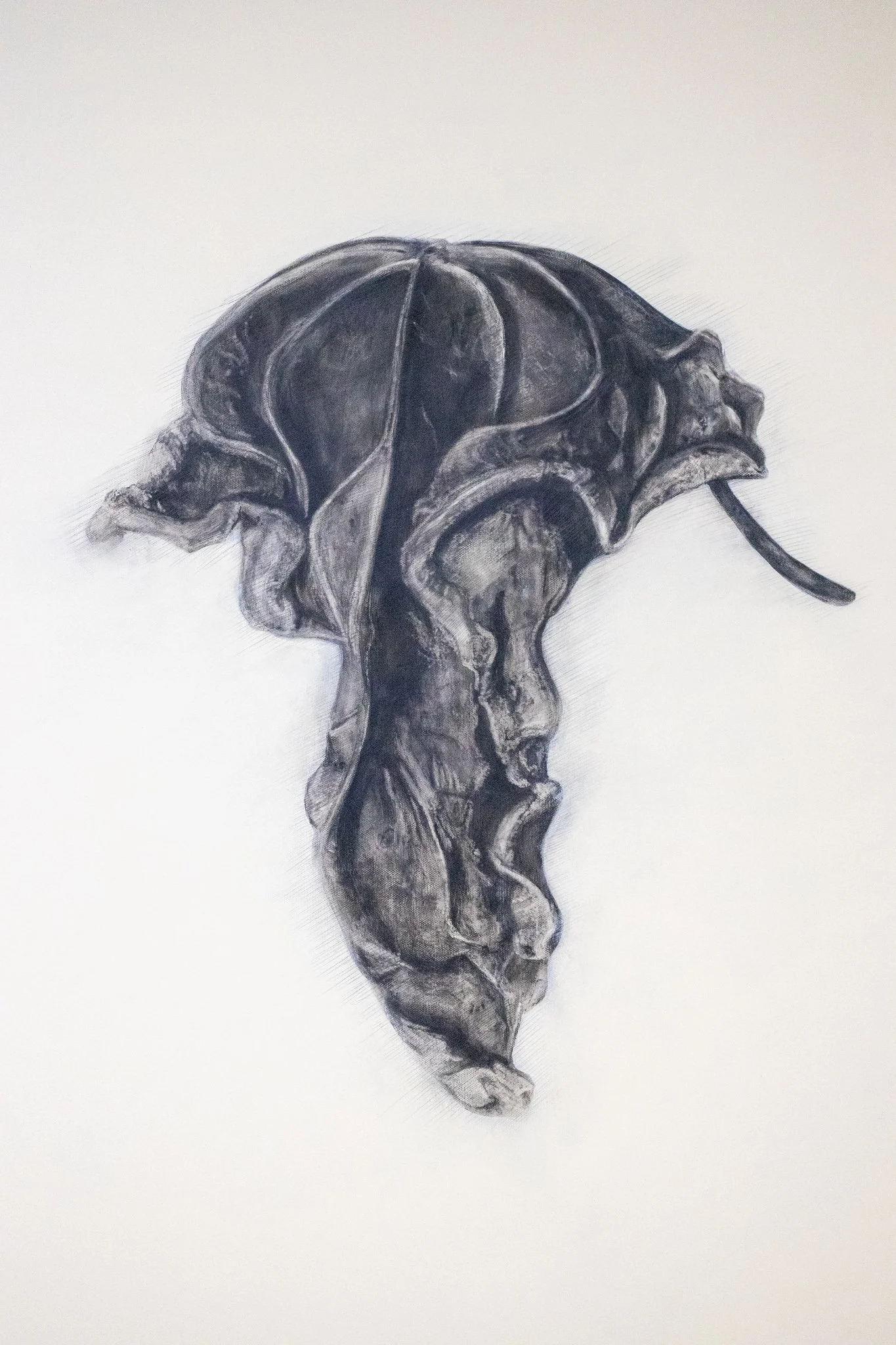
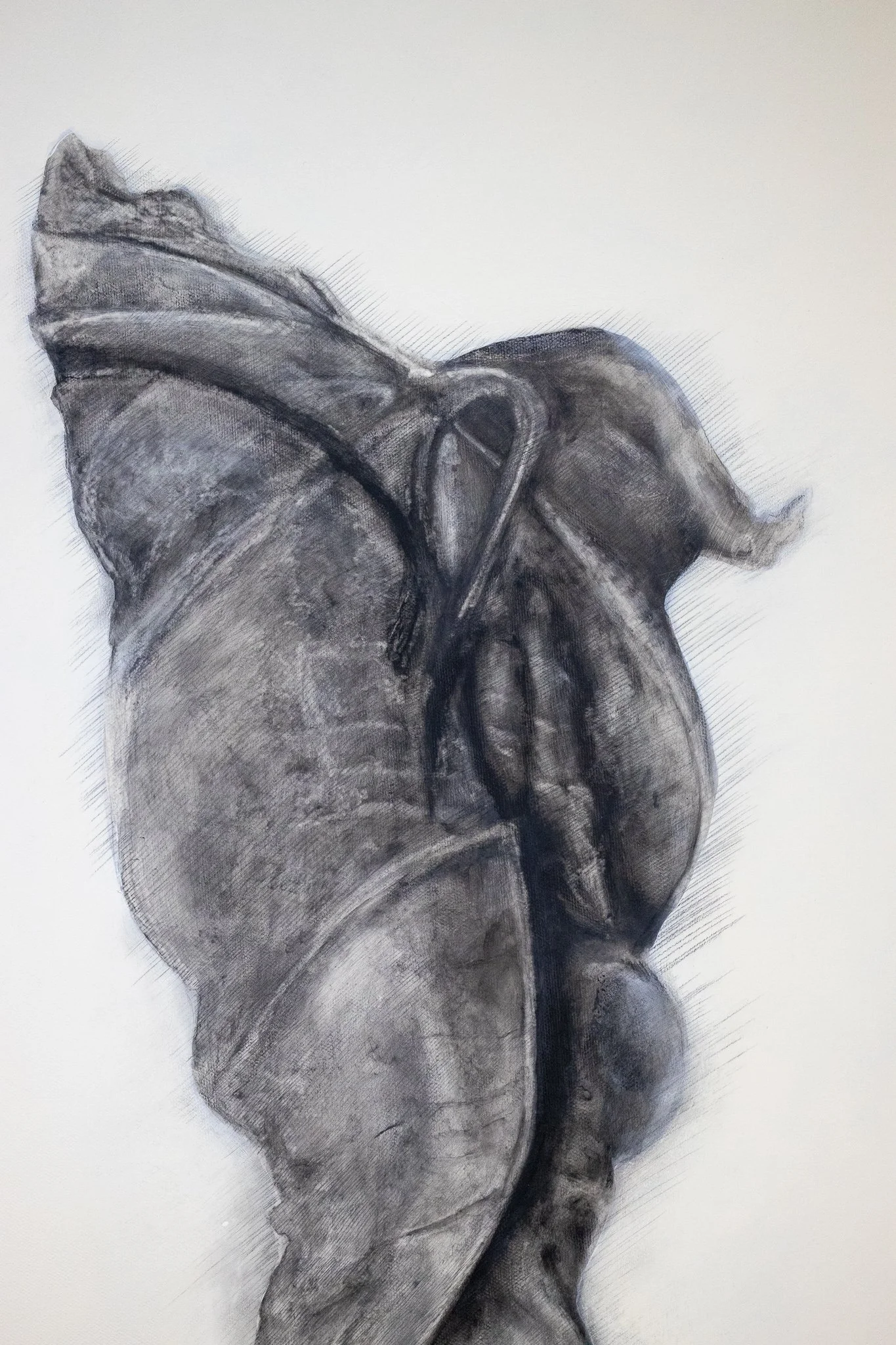
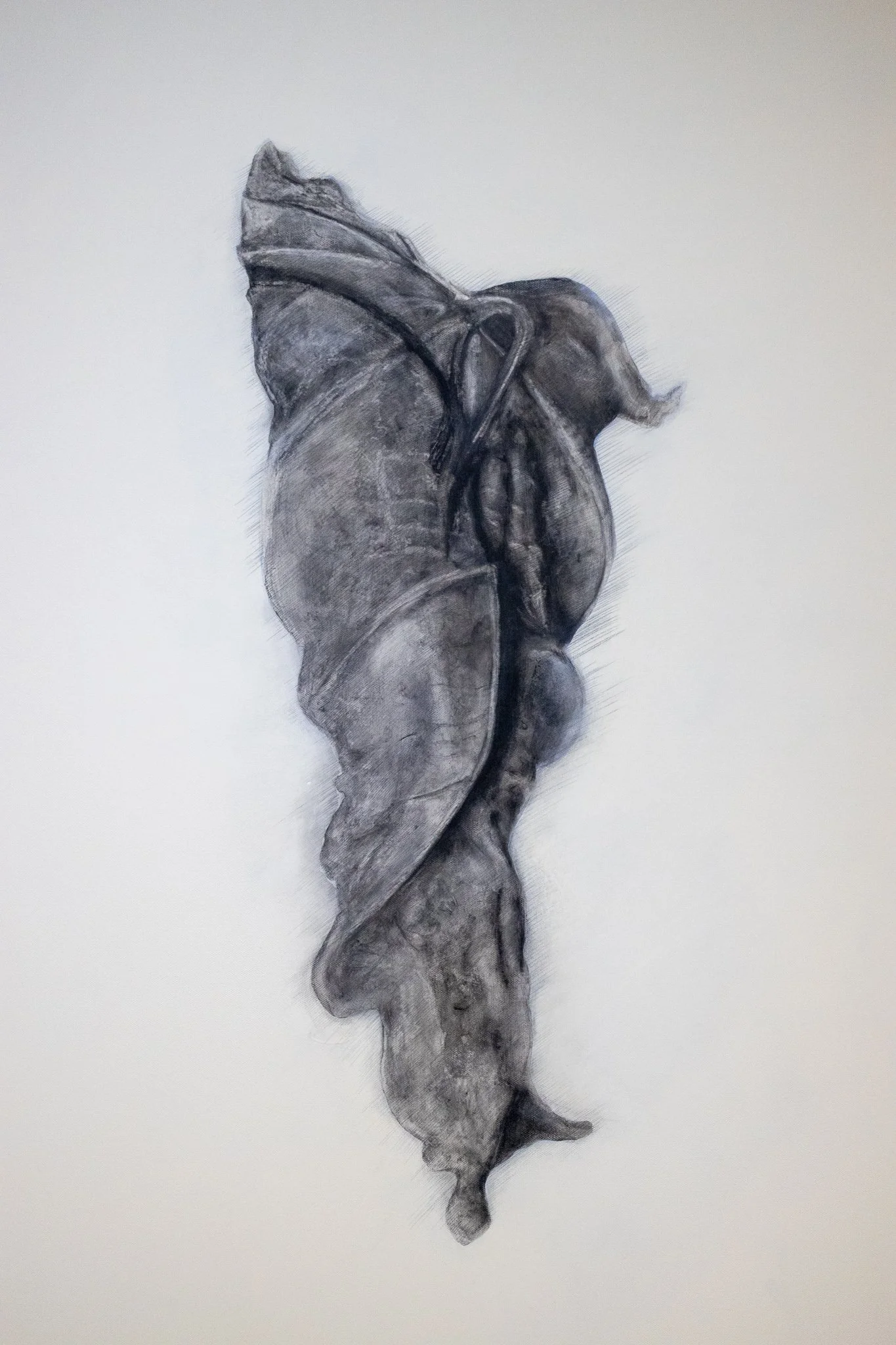

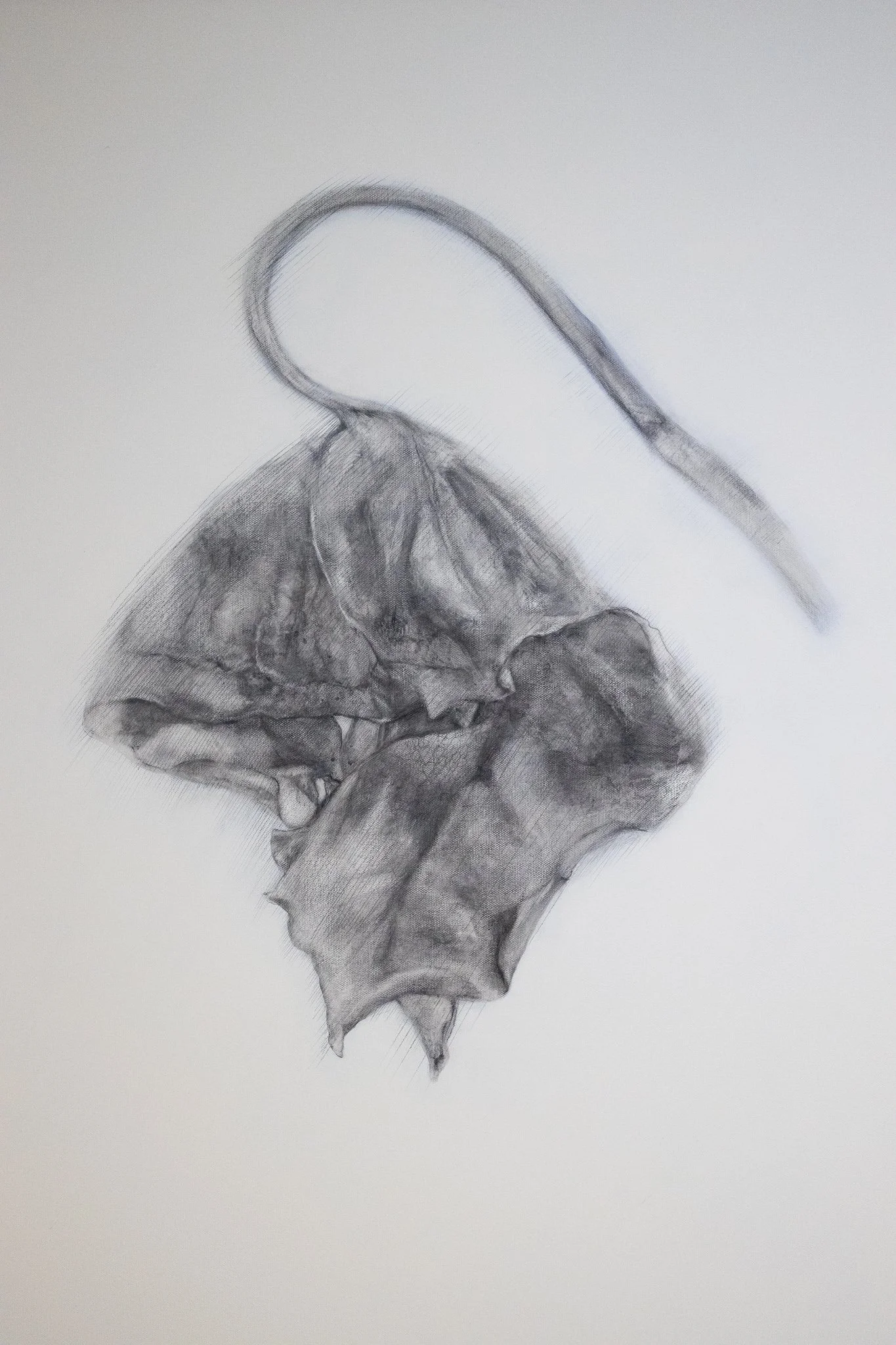
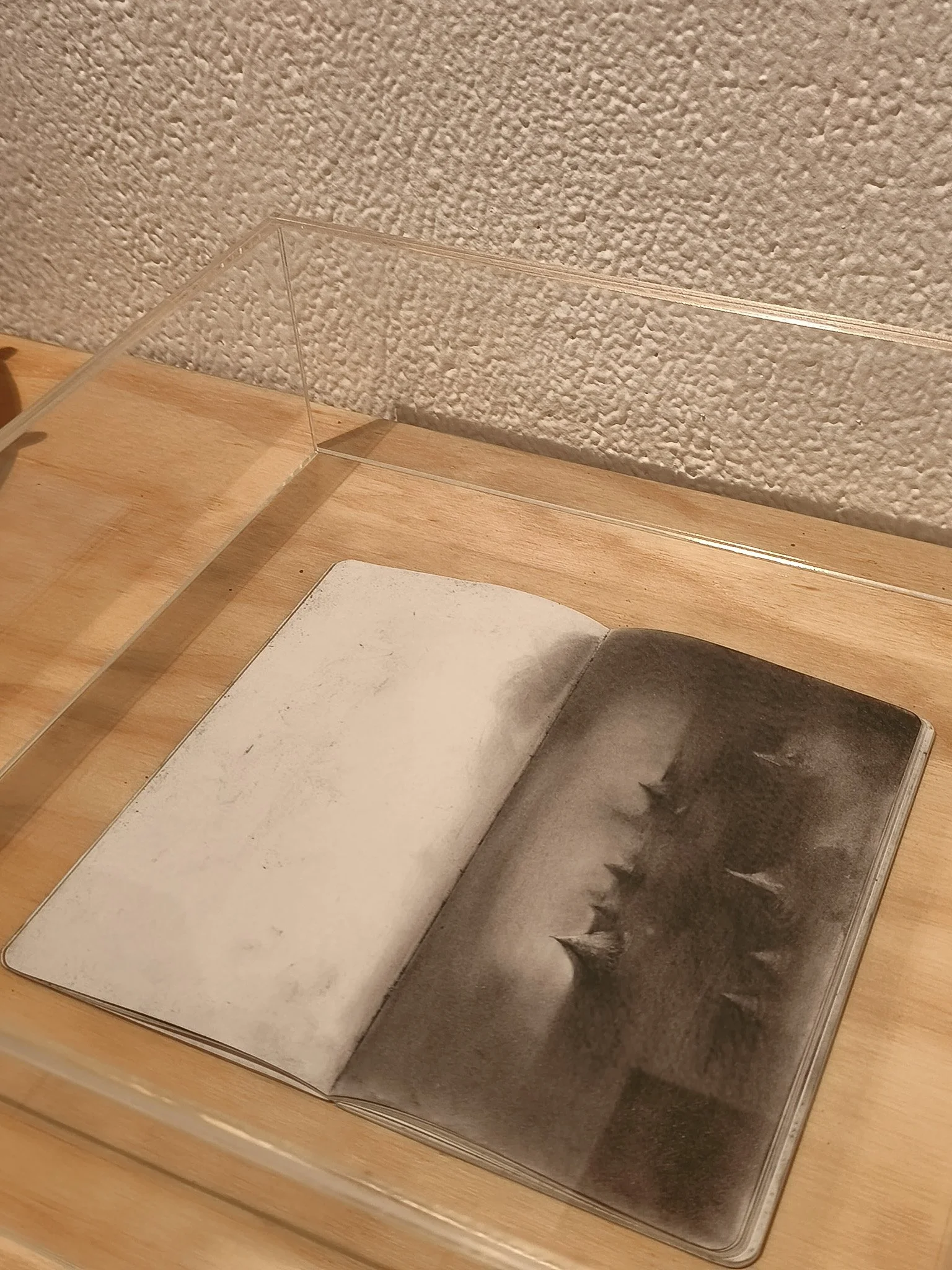
Marte Museum, El Salvador, pictures by Federico Krill and Vladimir Esquivel
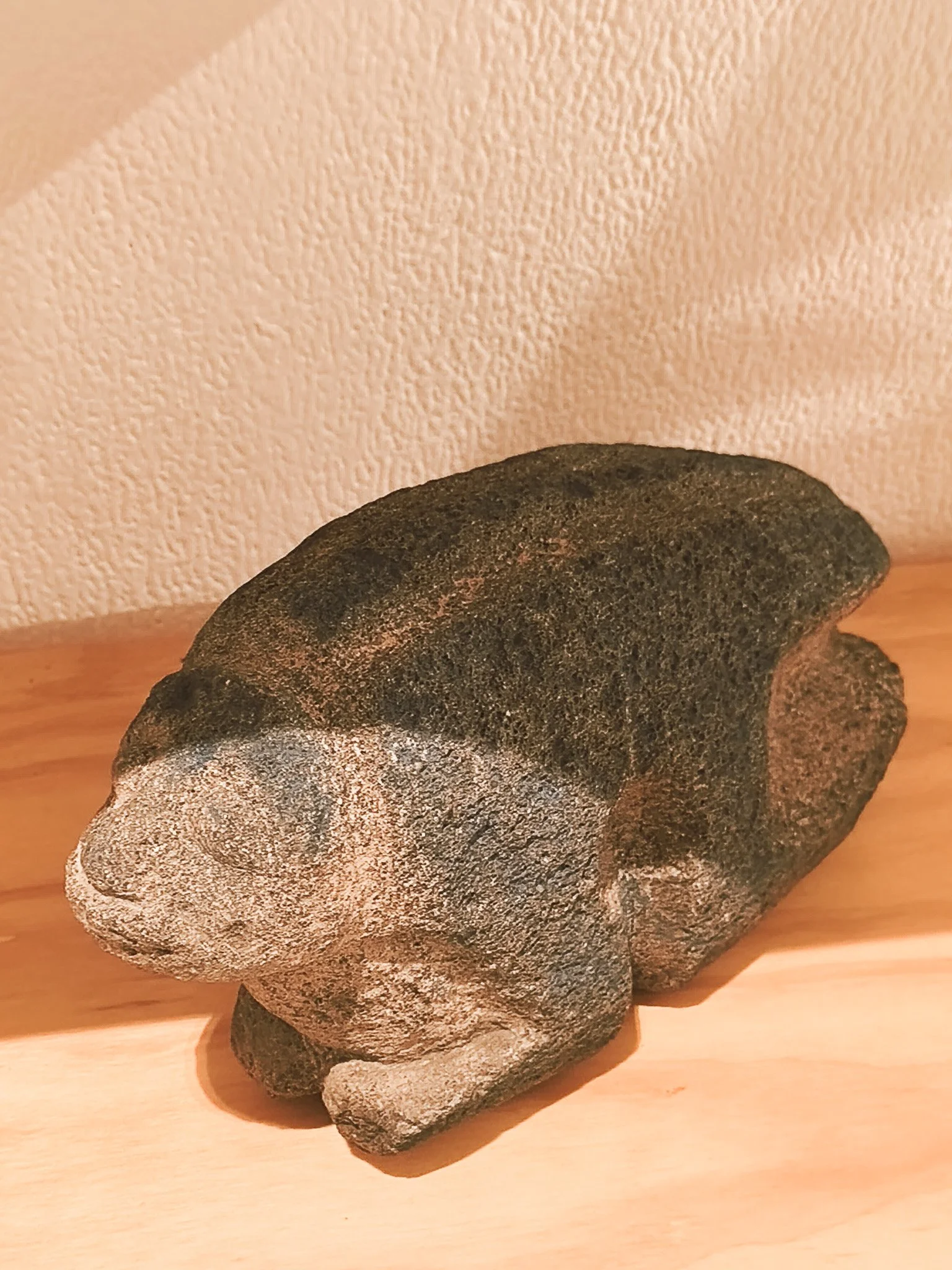
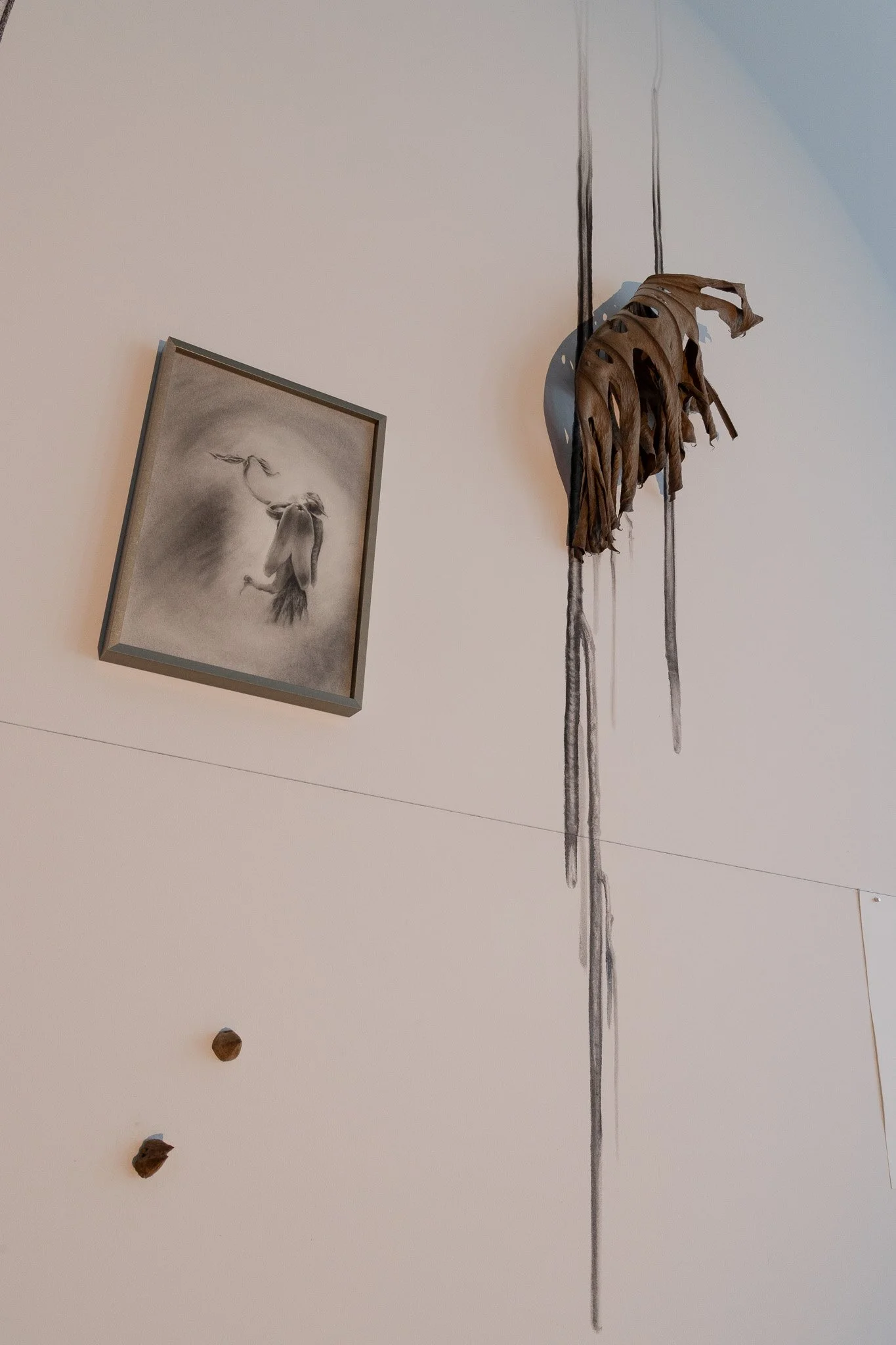
Berlin, Germany Studies
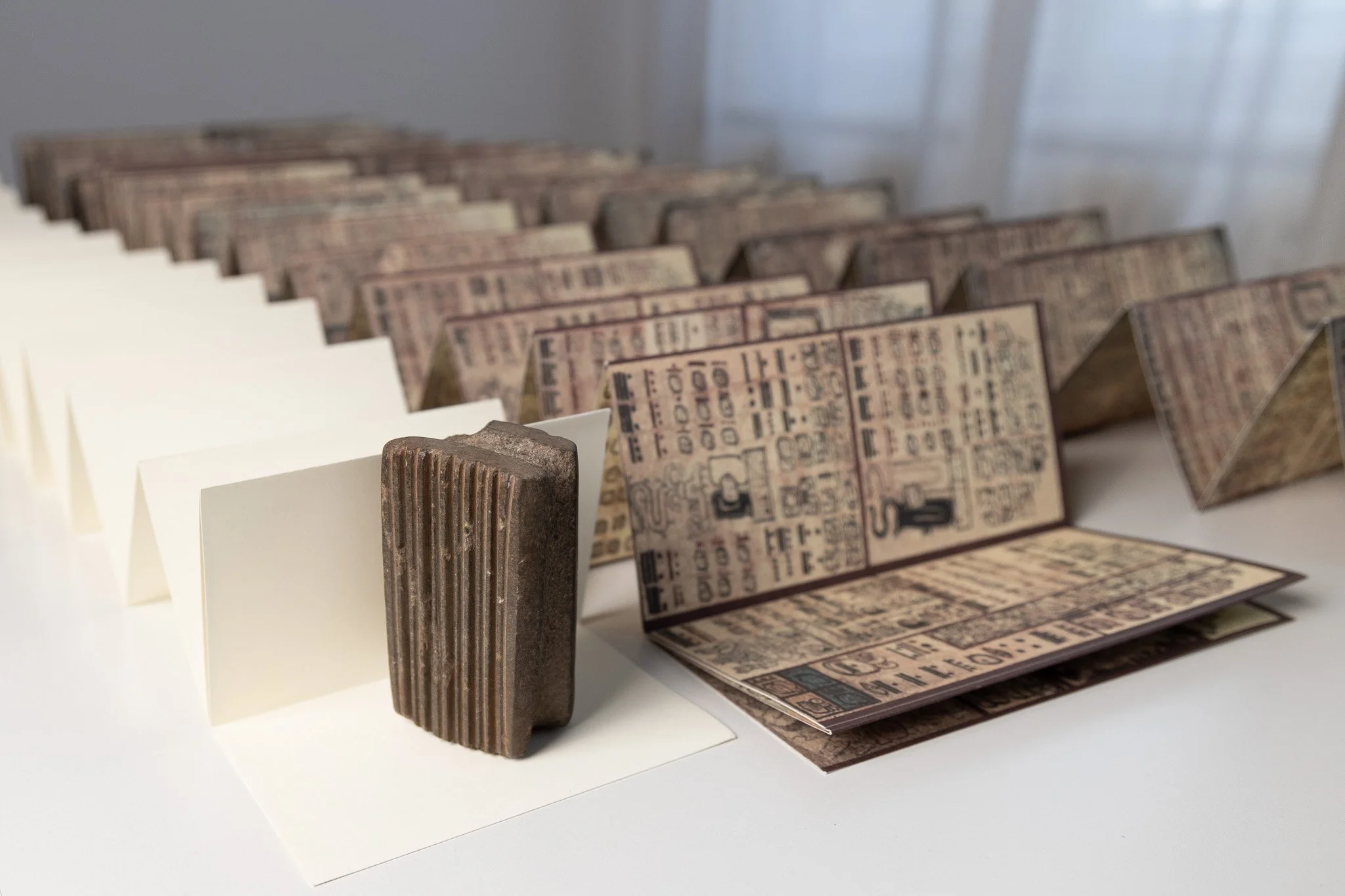
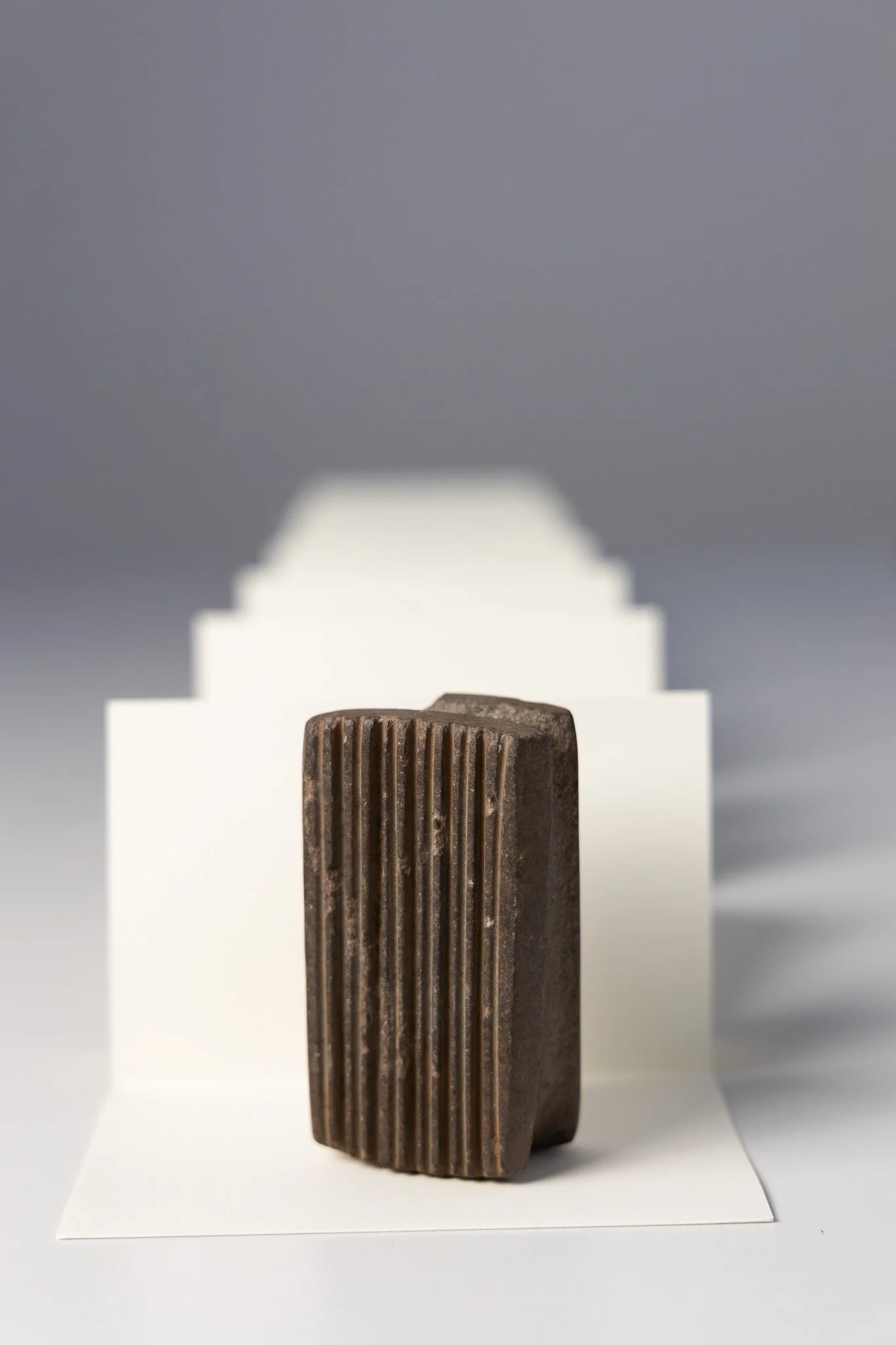
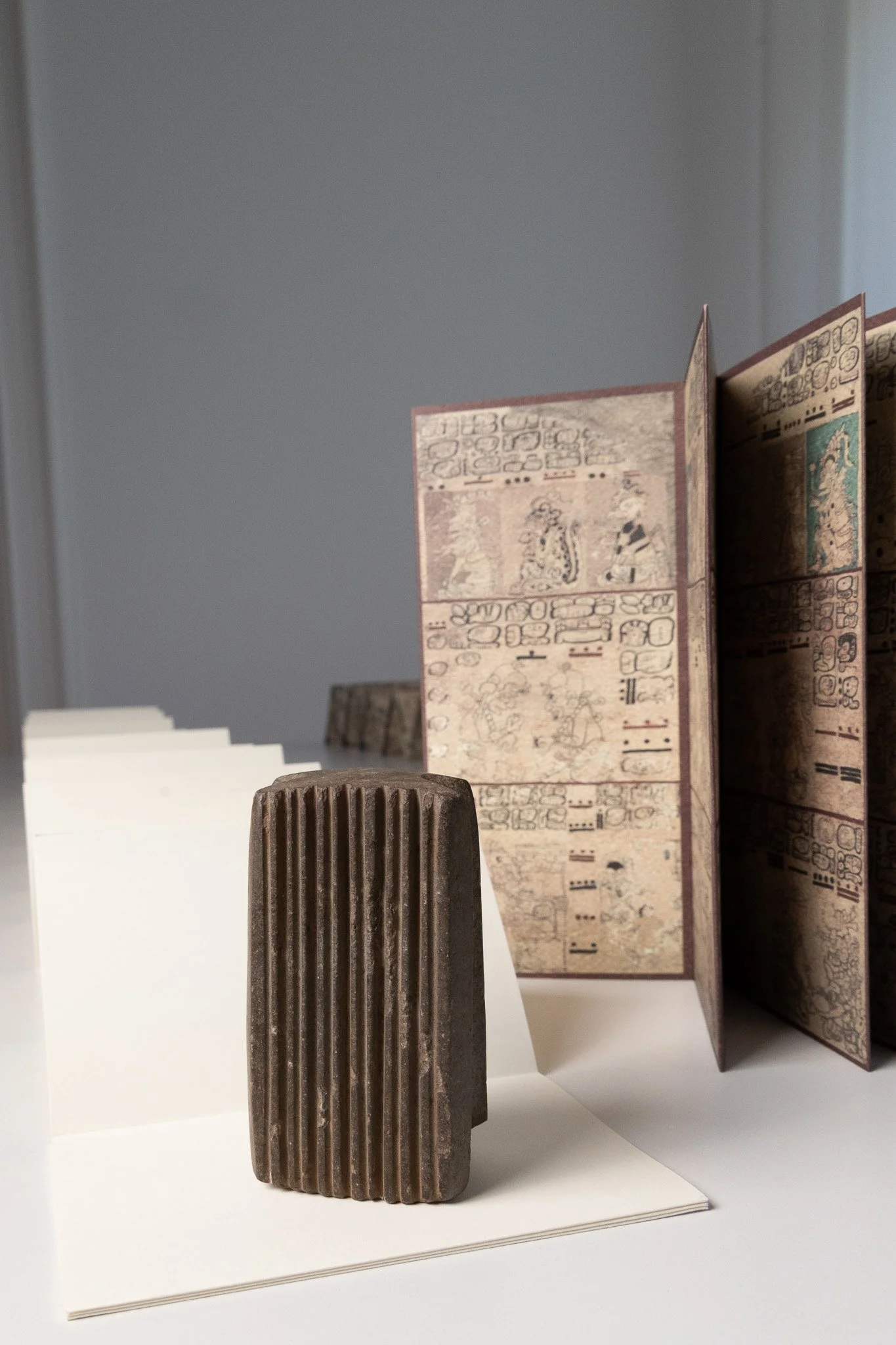
Ancient Echoes, part of Archaeological Debris, explores reactivating ancestral objects whose original cultural contexts and knowledge have been partially lost. This basalt tool was used to produce paper from natural fibers. I am interested in returning the archaeological object temporarily to its function as a working tool, using it to produce contemporary sheets resembling codices but without written language. Rather than reconstructing lost knowledge, the work considers how physical contact with an object from the past can generate new traces in the present.
Ancient Echoes | Extraction
Ancient Echoes Extraction documents the removal of soil from inside a pre-Columbian ceramic whistle. Removed from its original context, the object has lost much of the knowledge that once surrounded it. Extracting the material reflects on that displacement and on broader histories of removing objects and resources from indigenous communities. At the same time, clearing the interior allows the whistle to sound again. Unable to speak the languages of my ancestors, I engage the object to bring a fragment of sound from the past into the present. The work does not attempt to recover a lost language or reconstruct original meanings, but to ask what can still resonate after context and knowledge have been displaced
Ancient Echoes | Archaeological Debris
Ancient Echoes explores the displacement and erosion of ancestral knowledge through encounters between the body and pre-Columbian objects. In this activation, the artist uses a ceramic whistle as a source of sound and as a physical reference for a temporary mark on the body. The action considers breath, sound, touch, and the body as ways through which fragmented cultural memory can be reactivated in the present.
Hand-carved knives
Divinity in Mayan Art | The Metropolitan Museum publication.
Eccentric flints, Rosalila Temple, Copán, Honduras, 600- 800 Flint, each approx. 40 cm Sitio Maya de Copán, INAH.

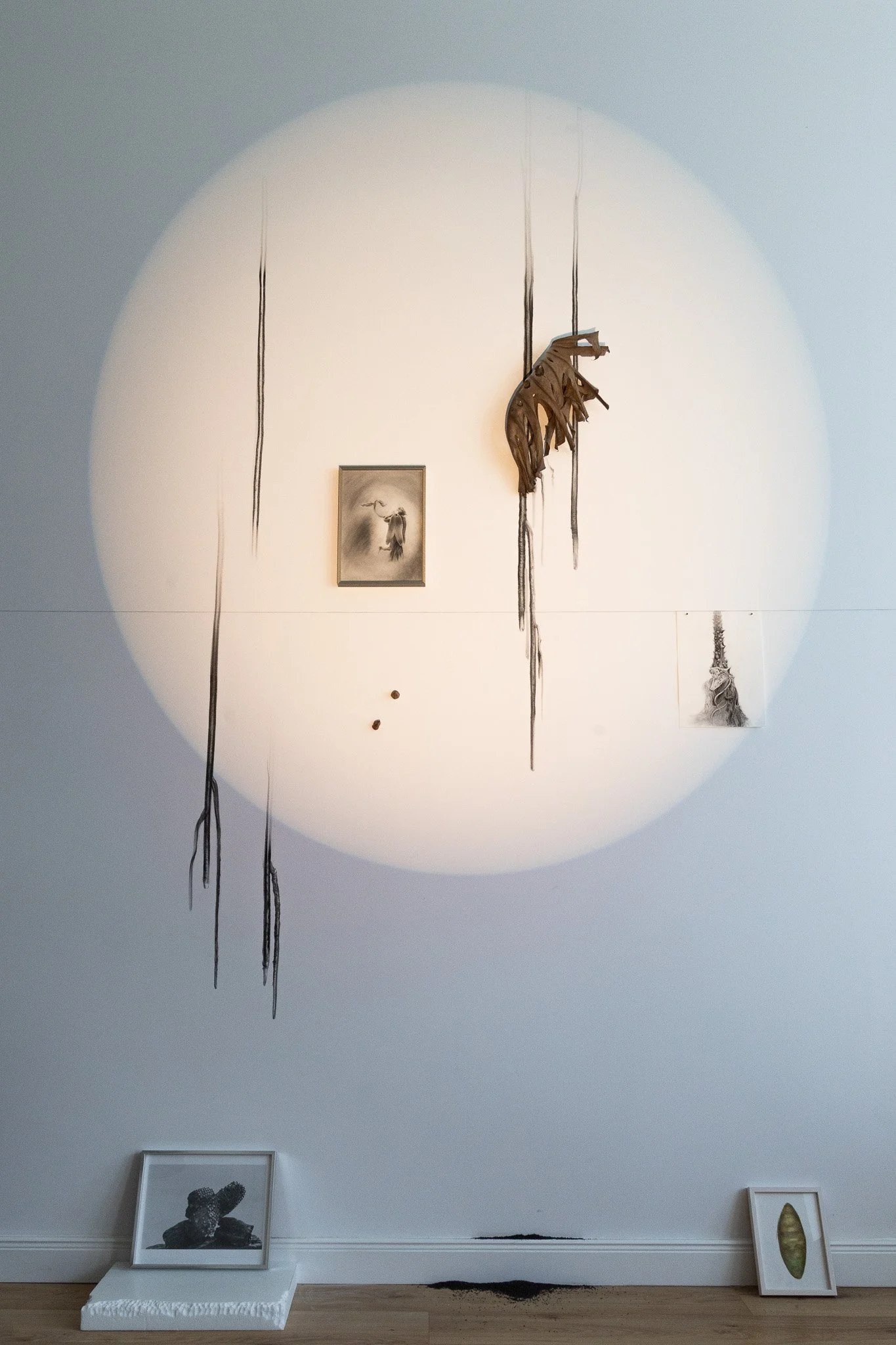
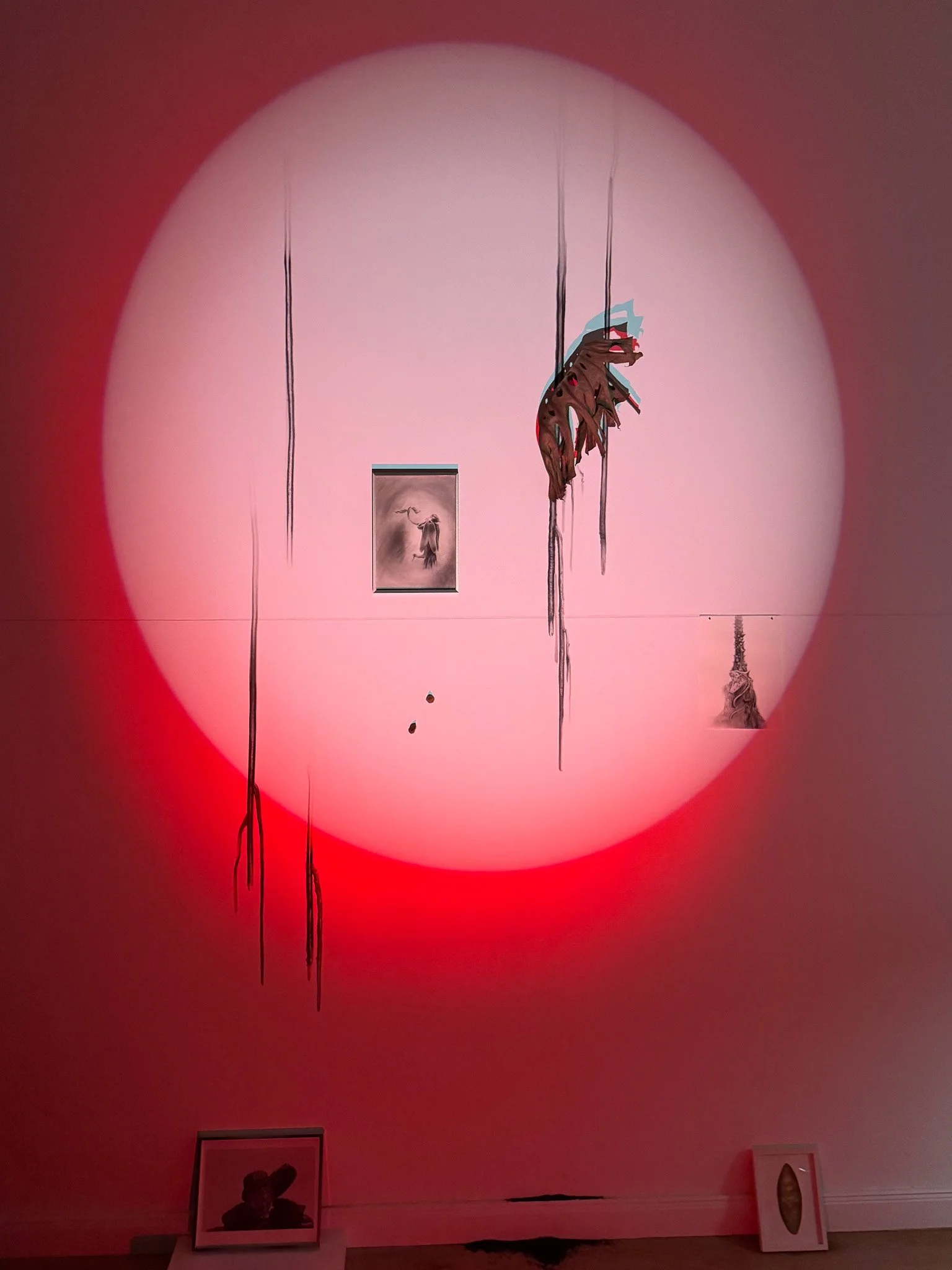
Wall intervention documentation by RBB Television (end of the video in the context of Open Studios and the show:
MI CASA NO ES SU CASA Mein Haus ist nicht dein Haus 2026 — RBB Fernsehen, “Mein Haus ist nicht dein Haus,” DER TAG in Berlin & Brandenburg, television feature by Milena Hadatty, Sept. 16, 2026. MI CASA NO ES SU CASA / MY HOME IS NOT YOUR HOME. Curated by Mauricio Esquivel. Curatorial and museographic assistance: Mauricio Kabistán. July 28, 2026. Grainauer Straße 19, Berlin, Germany.
The first test scanning a ceramic piece from a museum
October 27th, 3:40 pm, Brooklyn Museum
Jaguar Effigy Vassel 300 B.C.E.-600 CE. Manabí Province, Ecuador.
Ceramic, Brooklyn Museum.


