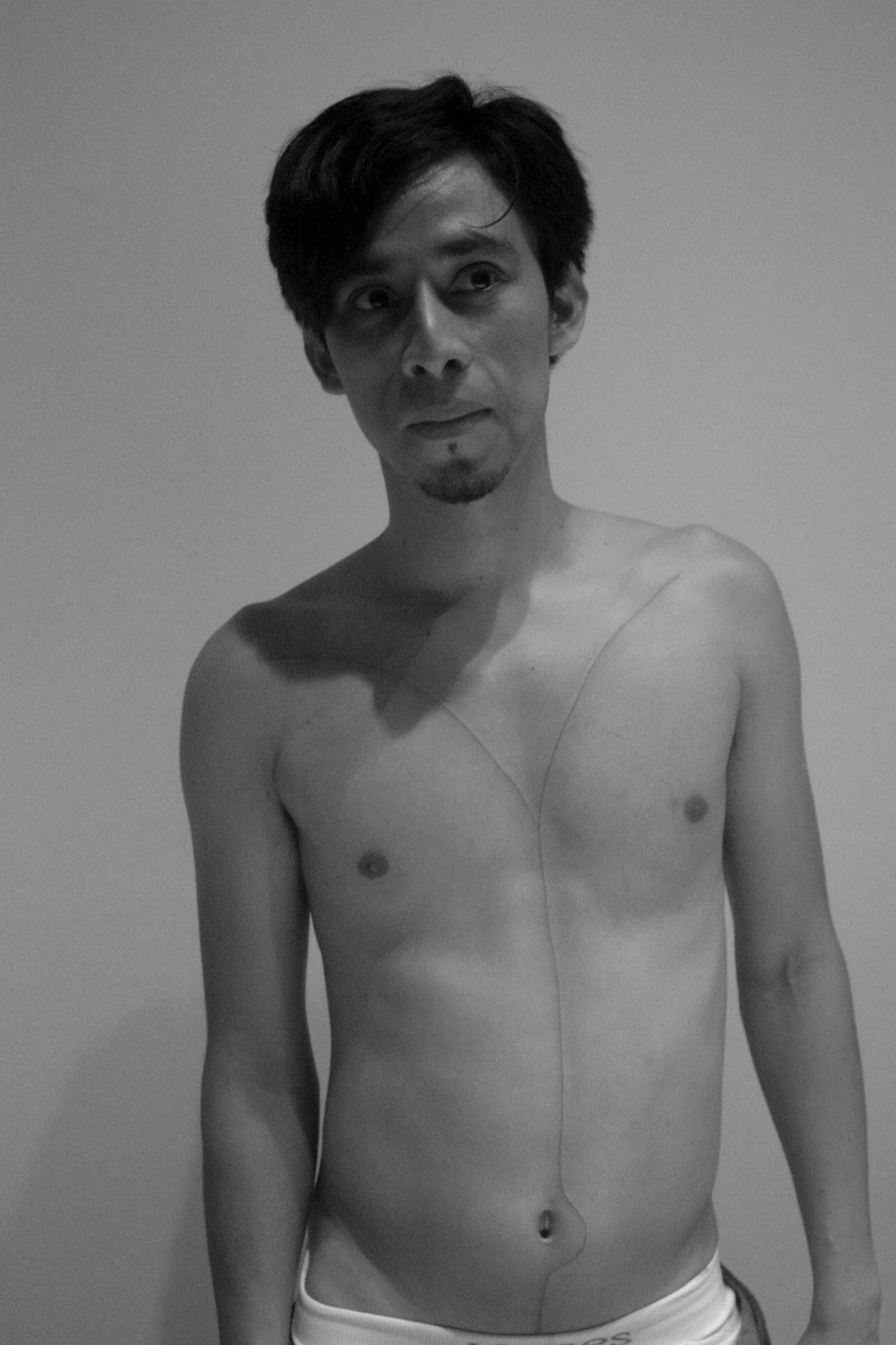
Iron Man, 2009–2012
Performance, body transformation, field research, sculpture, and documentation
Iron Man was a research-based performance project that explored themes of migration, violence, and survival by adapting and physically transforming my own body. It started during my time in Cuba as part of the independent project Batiscafo and then went on within the International Residency Program for Ibero-America and Haiti in Mexico, with support from AECID, FONCA (Fondo Nacional para la Cultura y las Artes), and CONACULTA (Consejo Nacional para la Cultura y las Artes). The project included 24 months of field research in Cuba and Mexico, including four months in Mexico and in the area along the U.S.–Mexico border, during which I examined the physical and social conditions associated with migration from Central America to the United States.
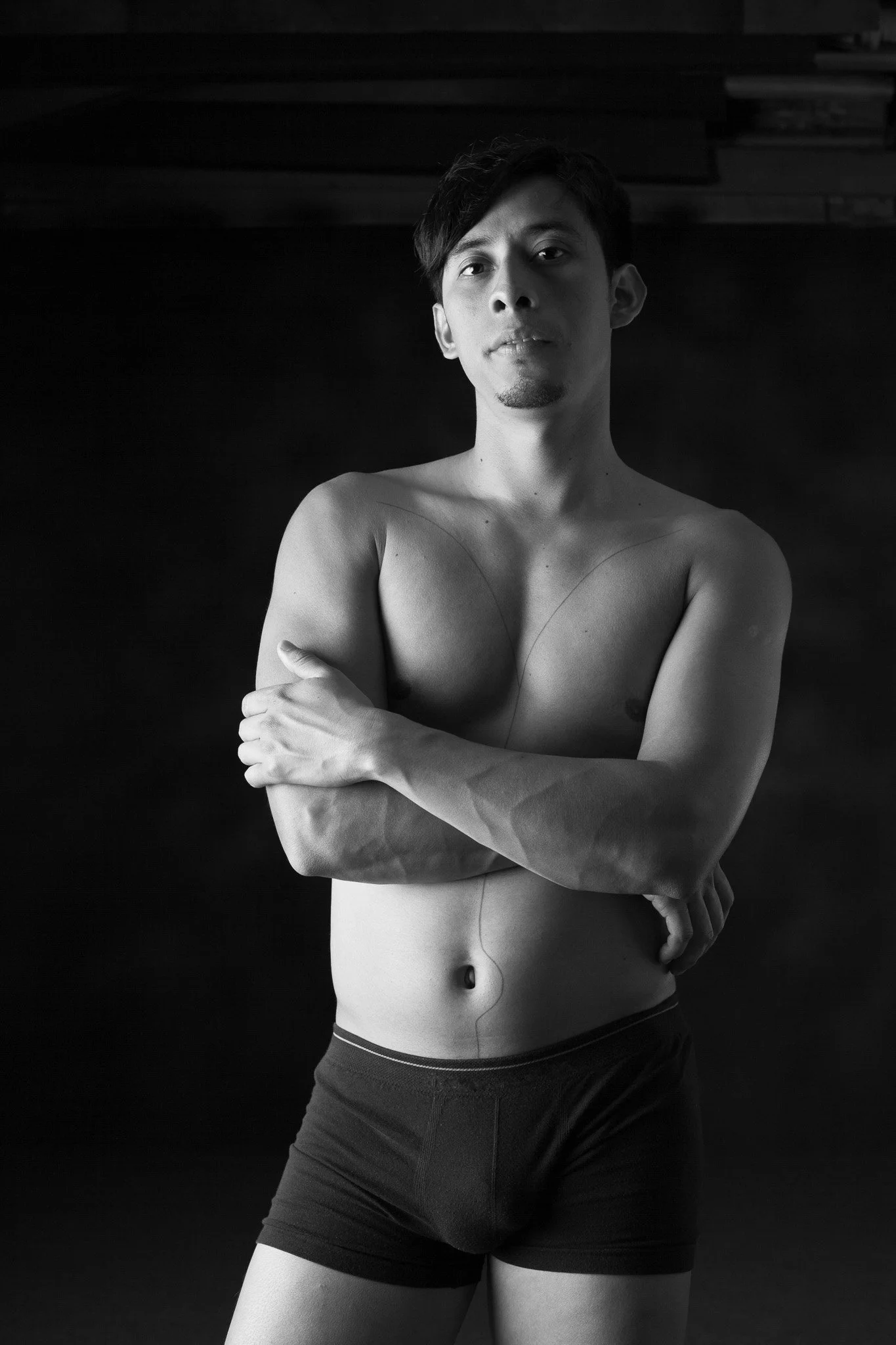
The first element, Violence, viewed adaptation as an effort to survive or escape violent social conditions. I subject myself to a rigorous program involving nutrition, weight training, and swimming—about five hours each day—to change my body from very thin to physically ready for extreme situations, such as desert temperatures reaching 50 degrees Celsius (122 degrees Fahrenheit). Since migration subjects the body to exhaustion, violence, environmental extremes, and systems of control, might the body itself be deliberately altered as a preparation for displacement? After the funding that supported this process ended, my body slowly regained its original state, revealing the economic circumstances behind even this temporary physical change.
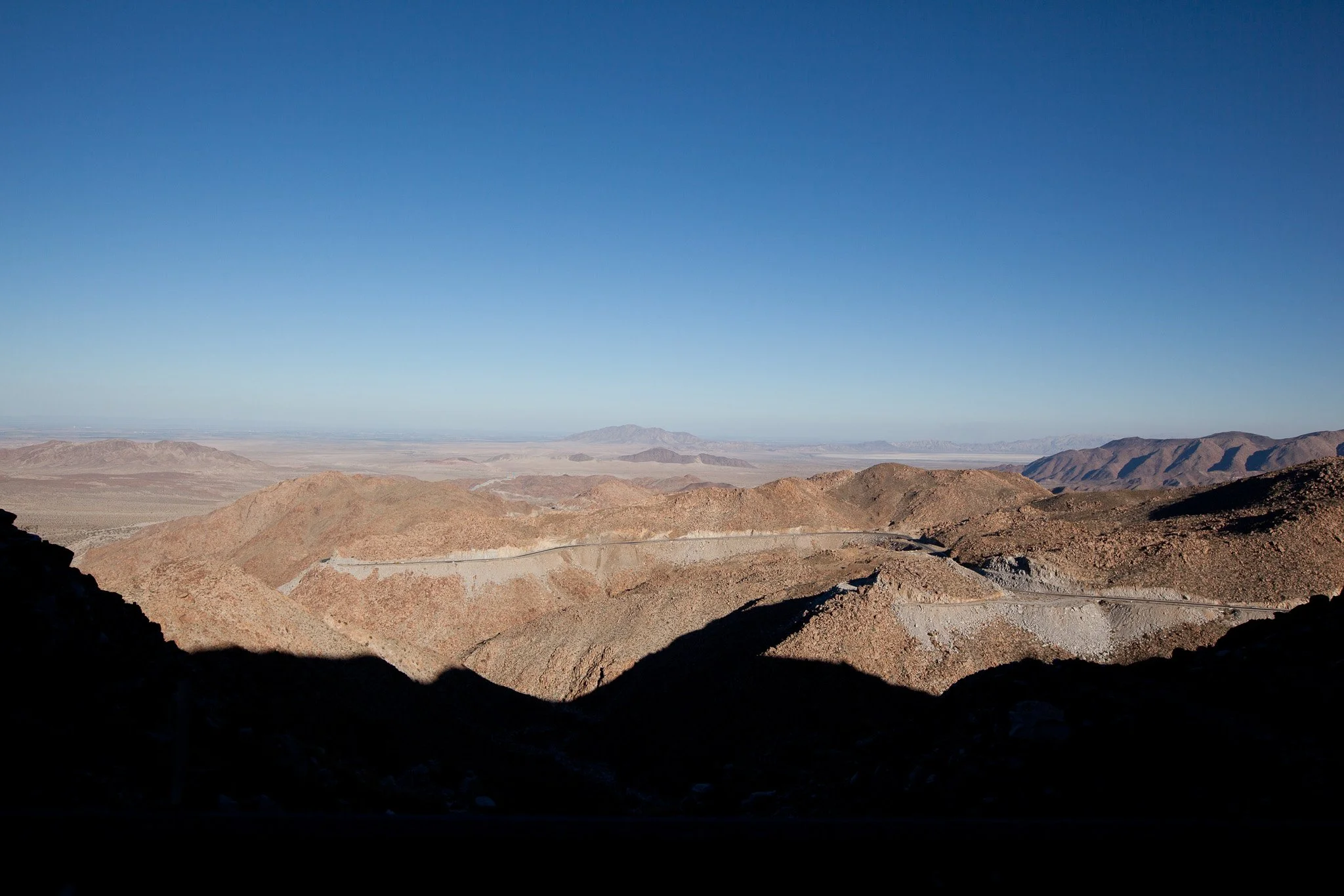
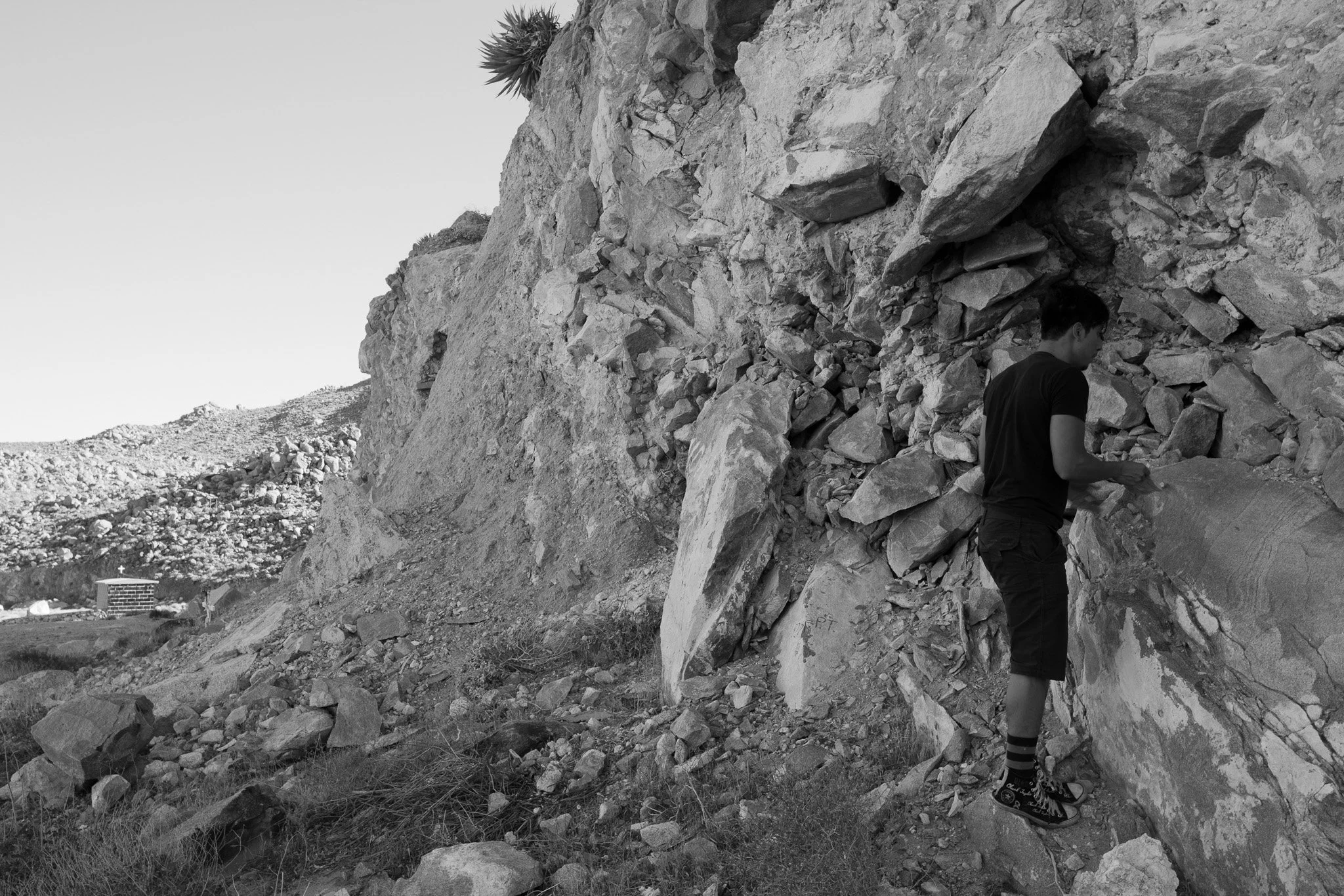
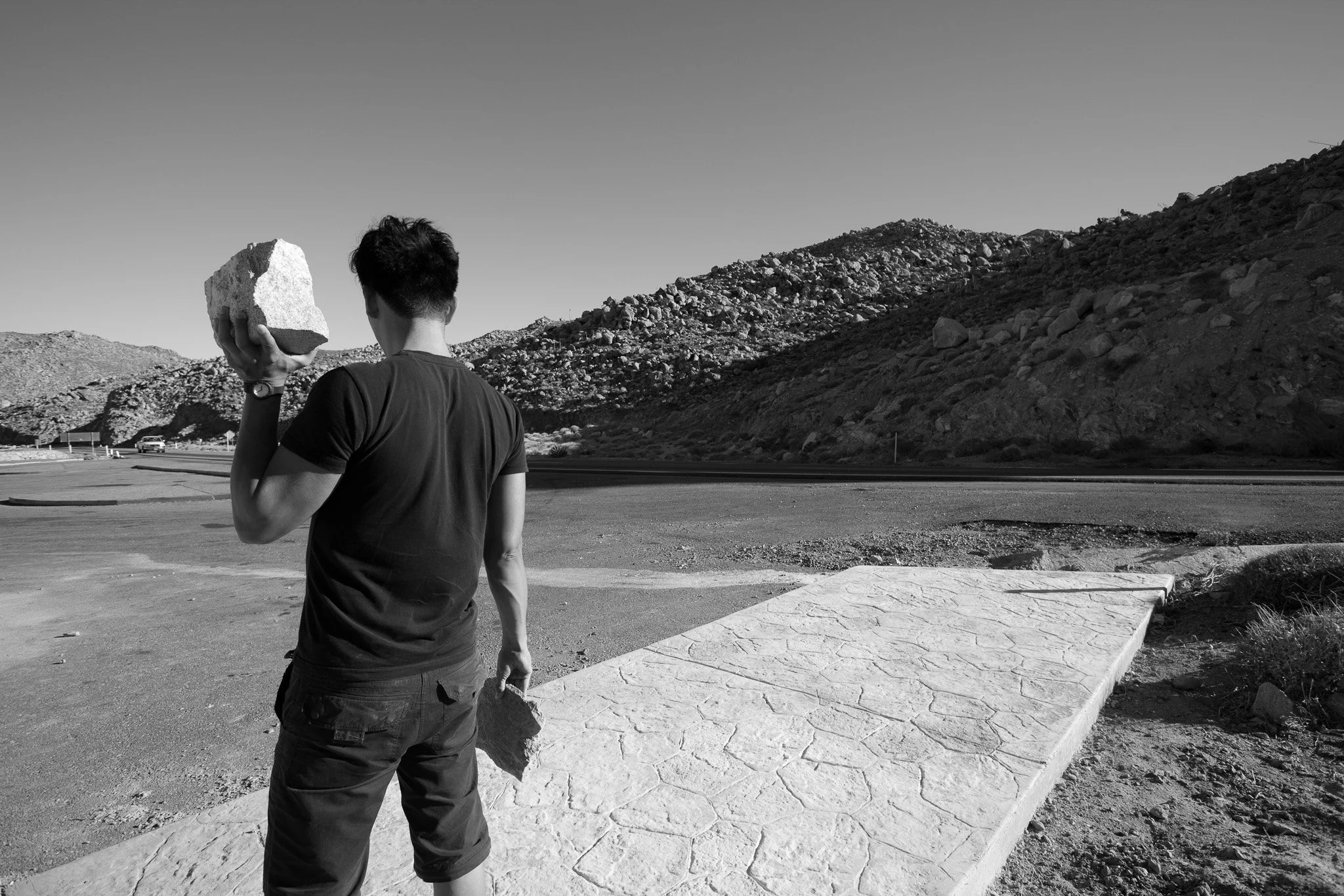
The second component, Migration, grew out of field research in Tijuana, Hermosillo, La Rumorosa, Nogales, Tecate, Naco, and other communities along migration routes in northern Mexico. I collected stories from migrant shelters (albergues) and later engraved them onto stones gathered from the region and materials associated with the deteriorating border wall. I also incorporated information and recommendations from humanitarian organizations assisting migrants into these sculptural objects, embedding stories and practical knowledge about routes, landscape, and survival in material form.
The third component, Adaptive Design Strategies (Estrategias de diseño adaptativo), examined strategies people develop to avoid becoming migrants by creating ways to survive economically where they already live. I focused on improvised objects, informal commerce, and design forms that emerge in response to unemployment and inequality—ways of using available materials, knowledge, and creativity to generate income and make remaining in one’s community possible.
Together, the three components examined different forms of adaptation: adapting the body to violence, adapting to movement and the conditions of migration, and adapting objects and economic practices to remain. Iron Man considers how displacement is shaped not only by crossing a border, but by the social and economic conditions that determine whether a person can stay or is compelled to leave.
The project was presented at the Cultural Center of Spain in Mexico and Museo Anahuacalli, Mexico, in 2010. It was later presented at the Museo de Arte y Diseño Contemporáneo (MADC) in San José, Costa Rica, in the context of Temas Centrales, and in The Day We Became Contemporary, curated by Rosina Cazali, in 2014, among other presentations.
Selected critical writing: Juan José Santos, “Superhéroes becados: Iron Man. Mauricio Esquivel,” FronteraD, January 30, 2012.